How It Works — From Inquiry to Loaded on Board
Not sure how to import from China? This is the exact process SourceEyes runs — six clear steps. You stay in control at every stage; SourceEyes handles the ground work in China.
The process
Simple, transparent, and you approve every milestone before SourceEyes moves forward.
Importing from China does not have to mean months of guesswork. The sequence below is the exact playbook SourceEyes runs for buyers in India, Southeast Asia, Africa and Latin America — and the process is identical wherever you import to, whether your order is one carton or a full container. If you are still figuring out how to import from China, follow the six steps, then send your product to SourceEyes: you will see what step one looks like for your specific case.
Tell SourceEyes What You Need
Send SourceEyes your product, specs, target price and market. It’s free — a real person replies within 24 hours with an honest feasibility check and plan.
Day 1SourceEyes Finds & Vets Factories
SourceEyes shortlists 3–5 real manufacturers that match your specs and budget, verify their licenses and capacity, and send you a comparison with quotes.
Week 1–2You Approve Samples
SourceEyes arranges samples from the shortlisted factories and show you the actual items by video — you confirm quality and price without waiting for international shipping. Nothing moves to production until you say yes.
Week 2–4SourceEyes Follows Your Production
Your order is tracked through the factory floor — materials, progress and deadlines — with regular photo and video updates.
Weeks 3–8QC Before Shipping
SourceEyes runs the pre-shipment inspection to AQL standards — dimensions, materials and workmanship checked on-site before a single dollar is released.
Pre-shipmentShip It Out
Consolidation, export documents, container loading and loading supervision — SourceEyes stays on site until your goods are loaded on board. Your forwarder takes it from there, and SourceEyes hands over every document they need.
Loading & ShippingSourceEyes runs the same 6 steps for every first order: brief, shortlist, samples, production follow-up, pre-shipment inspection and loading. The whole sequence is 3–5 days of vetting, 7–14 days of samples and 20–45 days of production, ending the moment the goods are on board.
How to import from China: the safeguards behind every step
Most importers do not lose money on the factory price — they lose it in the gaps between steps. A deposit paid before the factory is verified. Samples approved from photos instead of the real item. A shipment released without a final check. Every safeguard in this import process exists because SourceEyes has seen each of those failures happen to someone else’s order.
So before anything moves: (1) SourceEyes vets the factory before you pay a deposit, (2) you approve real samples by video before production starts, (3) a pre-shipment inspection against AQL standards is done before the balance is released, and (4) the shipment is tracked through to loading on board, with export documents handled by people who do this daily. Follow a structured how to import from China process like this and surprises stay small and early — not big and waiting at the port.
SourceEyes also handles the trade mechanics that confuse first-time buyers — Incoterms such as FOB or CIF, export declarations and documentation. You pick the terms you are comfortable with; we manage the rest with freight partners we have used for years.
The fastest way to test this process is with one small order. Tell SourceEyes what you want to import from China, and you get the exact steps, timeline and cost before you commit to anything.
SourceEyes handles the China side — vetting, negotiation, on-site inspection and loading supervision — while the buyer keeps every commercial decision, and 1 named contact carries the project from the first brief to the day the goods are on board.
Who’s handling your project
A real team in Suzhou — one main contact, three specialists behind it.
Between them, the SourceEyes team covers research, logistics, negotiation and on-site QC — so every step of your import has a named person behind it, not a ticket queue.
 LeownYour main contact · Sales · Inspection · On-site
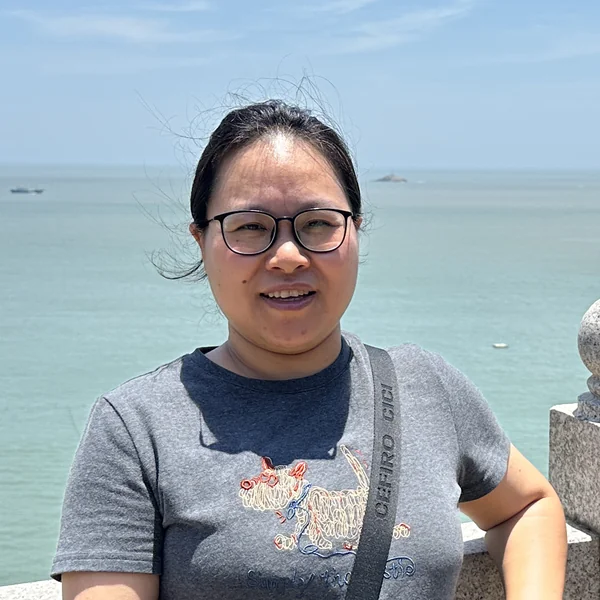 Quinn SunResearch & supplier vetting · Logistics
 Betty GaoSales · Inspection · On-site support
How to import from China: a realistic timeline
What a first order really takes — and where the delays come from.
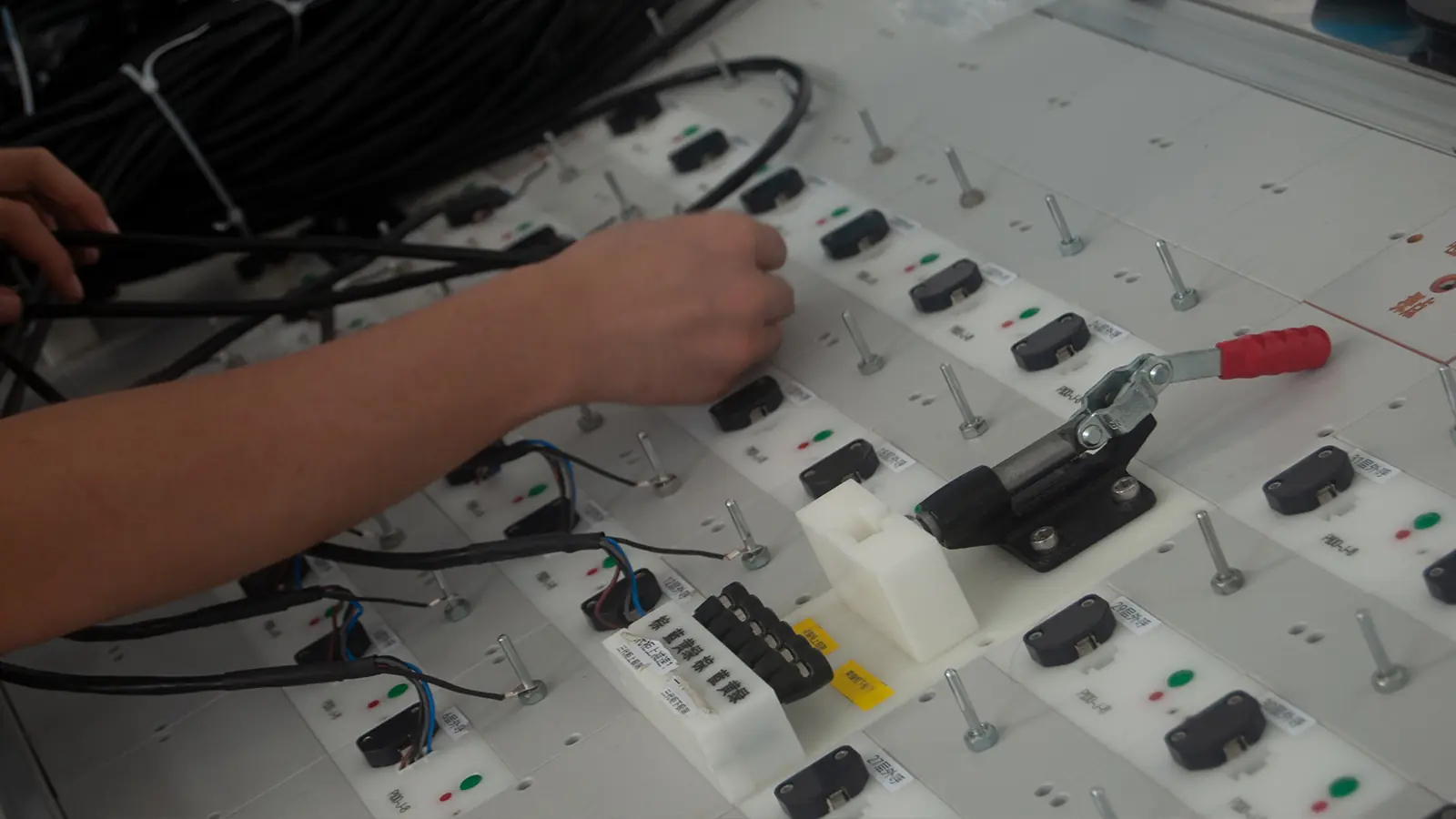
The calendar is the surprise. Vetting a shortlist takes 3–5 working days. Samples take 7–14 days, plus shipping. Production runs 20–45 days; sea freight adds 25–40 days to most destinations. Air freight is the other lever: 5–7 days door to door, at 3–5× the sea rate. First orders run longer than reorders, and the delay is rarely machine time: a packaging approval that comes back late, a spec change after tooling starts, a deposit that takes a week to clear, or a holiday week that stops a cluster.
Two things compress it fastest for anyone learning how to import from China: a full specification on day one, and a deposit that clears before a holiday. Plan around Chinese New Year: factories close for two to three weeks. Knowing that upfront is the practical half of how to import from China.
The shutdown is not one date — it runs roughly from late January into early March depending on the province, and container space tightens before it, not after. Our Chinese New Year factory shutdown timeline sets out the dates that matter.
None of this is a reason to avoid the process — it is a reason to sequence it properly and to lock the specification before the deposit moves. Most guides on how to import from China stop at the six steps above; the timeline is what surprises buyers.
Once you know how to import from China, the second order typically runs in about half the time: the factory is vetted, the sample is signed off, and the decisions left are quantity and timing. That is the honest case for learning how to import from China with someone on the ground.
Ready to start your first project?
First collaboration from $20 — let’s test one small task together, then grow from there.
Start Your Inquiry