Most buyers meet China through a seller. The platform, the trading company, the “factory” that quotes you a price — all of them earn money when you buy, and all of them are asked to advise you on whether you should. That is the situation an independent third party sourcing agent exists to break. SourceEyes does not sell goods. It does not mark up your factory invoice. SourceEyes is paid for the work, and nothing else.
SourceEyes is an independent third party sourcing agent based in Suzhou, China: 1 team, 8 services and 0 ownership in any factory it audits or inspects. That structure is the product — the buyer gets a report written by someone who does not earn more when the order is bigger.
In this guide
- Why a third party sourcing agent matters more than the price
- What “independent” means in practice
- What SourceEyes actually does
- What “full service” means here — and where it stops
- What SourceEyes does not do — and will not promise
- Who a third party sourcing agent fits
- How an engagement runs
- Language and time zones
- Questions buyers ask before the first order
Why a third party sourcing agent matters more than the price
The advice you get usually comes from someone with a position in your order. That is not corruption — it is simply how a seller’s business works: the person quoting you earns from the transaction, so “this supplier is better” and “this supplier is more expensive” arrive as the same sentence.
A third party sourcing agent changes the shape of that conversation. SourceEyes is paid by you, for the process: finding the supplier, verifying it, checking the goods, and telling you what it actually found — including the parts you will not enjoy reading.
Three practical differences show up again and again when a third party sourcing agent sits in the middle:
- You see the real factory price. The factory invoices you directly, so the number is the number. Nobody is quietly adding 15% to it.
- Verification is not a sales pitch. When the report says the factory is a trading office, or that the hardness data does not match the specification, nobody in the chain loses a sale by telling you.
- Bad news arrives before your money does. The cheapest moment to find a problem is before the balance is paid and before the container is sealed.
What “independent” means in practice
Words like “independent” are easy to print, so here is the concrete version — how the third party sourcing agent work at SourceEyes is actually structured:
- You pay the supplier directly. The factory invoice is paid by you, to them. The SourceEyes fee is separate and agreed before work starts, quoted individually for every order.
- No margin is buried in your unit price. SourceEyes does not resell the goods, so there is no commission hidden inside the number the factory quoted you.
- SourceEyes is not the only option, and says so. If a supplier in your shortlist is better than the ones we found, use them. The project still runs.
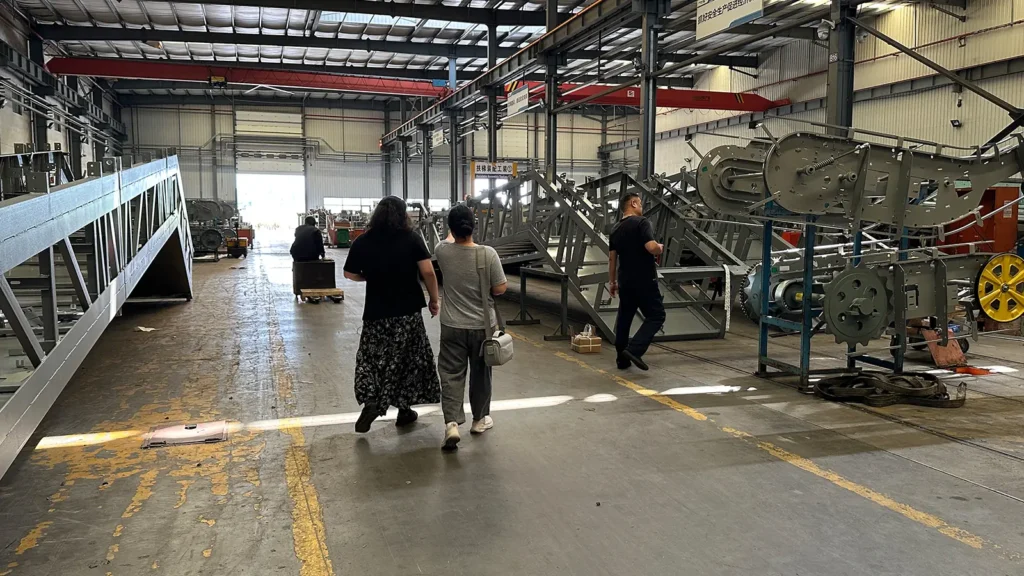
- SourceEyes is in China, on the ground. Factory visits, sample collection, production checks and loading supervision are done in person rather than requested over email.
What SourceEyes actually does
The work a third party sourcing agent is hired for, roughly in the order it happens:
- Supplier search and vetting — identify candidates, then check whether they manufacture or trade, and whether the licence scope matches what they claim.
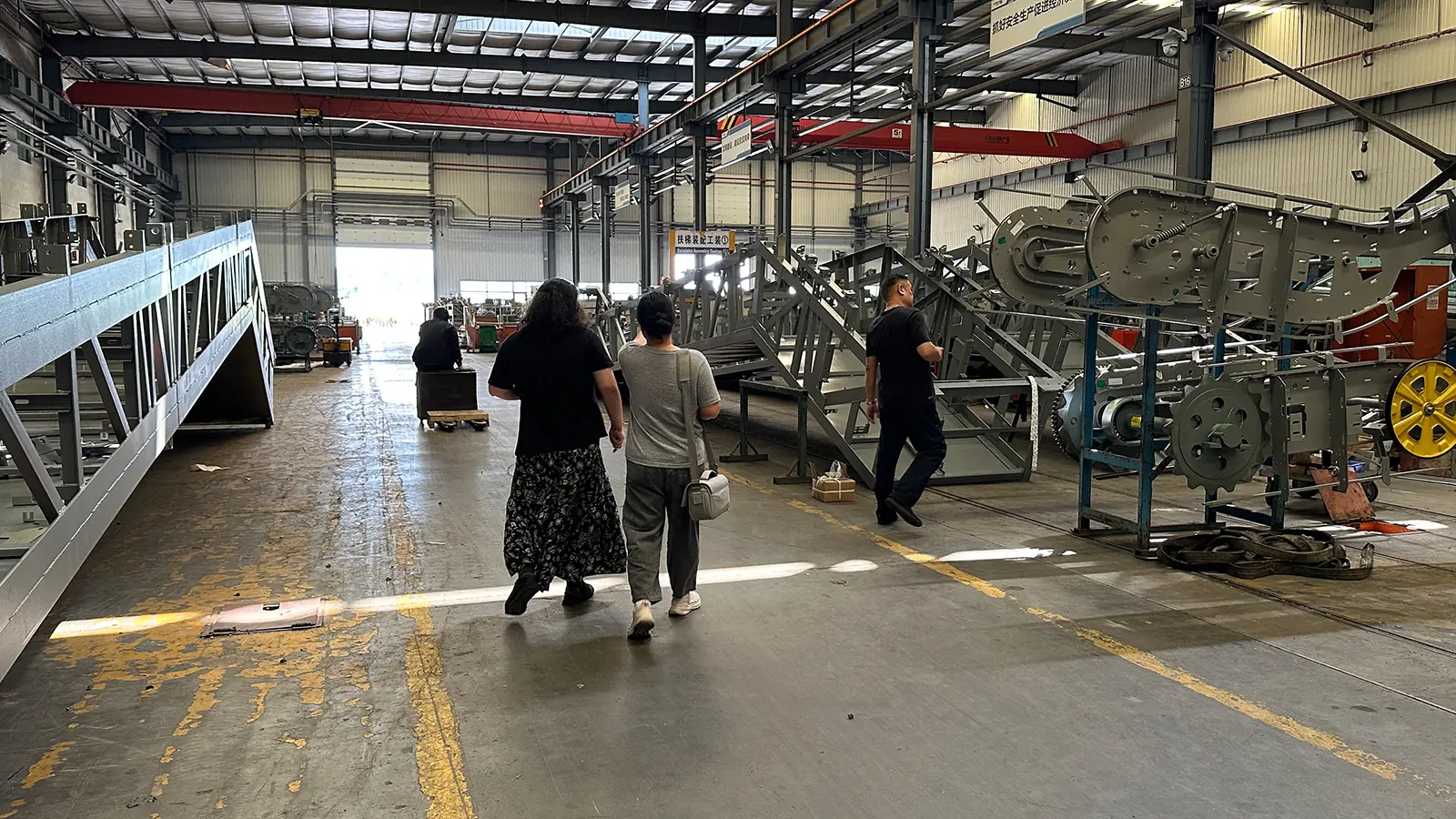
- Factory audit — visit the plant, look at the process steps that matter for your category, and report with photographs. The difference between an audit and an inspection is worth knowing before you book either: see factory audit vs inspection.
- Sample management — collect samples, compare against your specification, and keep the approved sample as the production reference.
- Production follow-up — progress checks during the run, with the timeline documented rather than promised.
- Pre-shipment inspection — quantity, workmanship, function tests where relevant, packaging and labelling, before the balance is released. Our 10-point pre-shipment inspection checklist shows what a report should contain.
- Packing and loading check — carton marks, pallet condition, and photographs of the sealed container.
Where your market requires it, SourceEyes also supports the China-side paperwork: export documentation, and coordination on clearance requirements that have to be satisfied before departure rather than on arrival.
The SourceEyes scope runs from supplier search to loading supervision and stops at the ship: 6 steps, one written report per factory visit, and every document handed to the forwarder the buyer appoints. Arrival, clearance and delivery stay on the buyer’s side of the line.
What “full service” means here — and where it stops
“Full service” is used loosely in China sourcing, and the phrase hides a real difference: which scope you buy decides what a third party sourcing agent is accountable for, and what you still arrange yourself.
In practice the market sells three scopes:
- Sourcing only — supplier search, price comparison and sample coordination. Everything after the quotation is yours to handle.
- Sourcing to the ship — the above, plus factory verification, production follow-up, pre-shipment inspection and loading supervision. This is the full service sourcing agent scope SourceEyes works to, and it is the one that ends with a sealed container.
- Sourcing to your door — the above, plus freight booking, export clearance, import clearance and final delivery. SourceEyes does not take this scope.
The reason a third party sourcing agent should stop at the ship is about who can do the last leg better. Clearance and delivery happen in your country, under your own rules; a forwarder or customs broker based there usually prices that leg below anything a China-side team can quote, and works in the language your authorities expect. Splitting the two also keeps the numbers visible — one China-side service fee, and a freight quote you can compare on its own.
Which scope fits depends mostly on the shape of your order. One product, one supplier and a small first order is usually simpler as a single door-to-door arrangement through a provider that already runs both halves. Several suppliers, repeat orders, or a category where you negotiate freight yourself is where a split wins: 6 steps on our side, your forwarder on yours. Tell SourceEyes which shape you are in — the answer on whether a third party sourcing agent fits will be a straight one.
What SourceEyes does not do — and will not promise
Being clear about this is part of being a third party sourcing agent with nothing to sell:
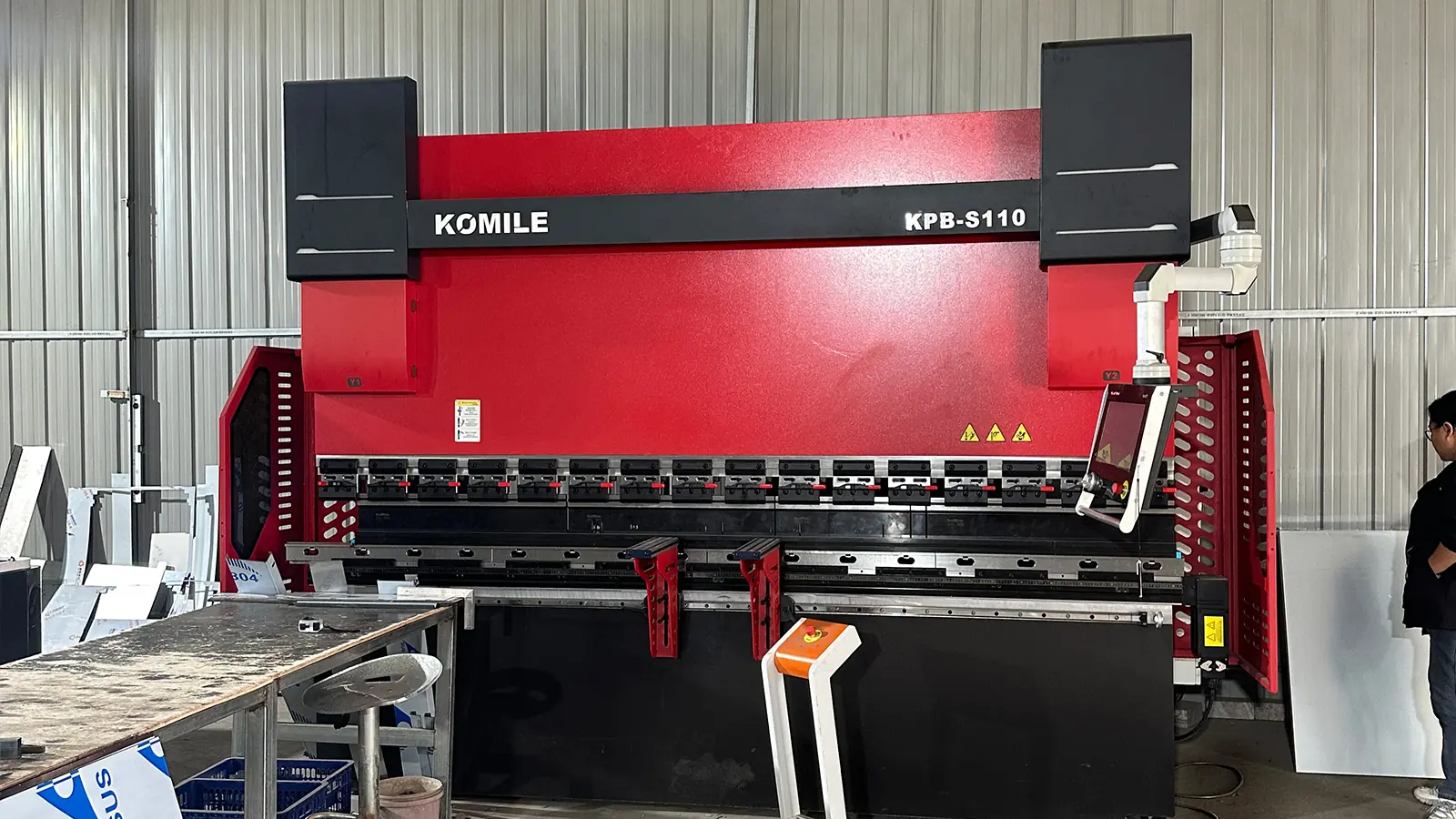
- SourceEyes does not own a factory. SourceEyes is a sourcing and QC team based in Suzhou, China. SourceEyes visits plants and does not pretend to be one.
- SourceEyes does not promise customs clearance will succeed. It handles the China-side steps listed in your quotation and tells you what is required. Clearance decisions belong to your country’s customs authority.
- SourceEyes does not promise the lowest price. Anyone who does is quoting you a version of the future. What SourceEyes can do is show you how the price was built and where it can realistically move.
- SourceEyes does not hide the awkward findings. If a candidate factory fails the audit, you hear it in writing.
Duty and valuation rules decide a large part of your landed cost — check your own heading on the ITC Market Access Map, and how customs value is built in the WCO guidance on customs valuation. Payment terms and who carries which cost are defined by your Incoterms terms (ICC) — worth setting in writing before the deposit.
Who a third party sourcing agent fits
A third party sourcing agent model fits some buyers much better than others — and for a small order it is often cheaper than one mistake.
- First-time importers who need the process explained as it happens, not after a mistake.
- Small and mixed orders — several products, several suppliers, one consolidated shipment. Plenty of agencies decline this work; SourceEyes does it regularly.
- Buyers burned by a trading company who were told they were dealing with a factory.
- Project buyers — machinery, equipment, components — where a wrong part is worse than a late one.
- Buyers who cannot travel and need someone physically present for the checks that matter — the same problem our guide to importing from China without visiting is built around, and a factory you cannot visit is exactly where verification has to be done by someone else.
Individual buyers are welcome. You do not need a company registration or a large order to start a conversation.
How an engagement runs
What working with a third party sourcing agent actually looks like, step by step:
- Tell us the product, the quantity and the destination market. SourceEyes replies with what the China side looks like and what it would do first.
- Get a written quotation for the work. Every order a third party sourcing agent takes is quoted individually — scope, steps and fees, before anything starts. Our services and pricing pages set out what is normally included.
- Supplier search and vetting — candidates, then verification.
- Samples and specification sign-off — the reference that production is judged against.
- Production follow-up and pre-shipment inspection — with photographs and a written report.
- Packing, loading and China-side documentation — then the shipment is yours to receive.
Language and time zones
Most of the third party sourcing agent work SourceEyes takes on is with buyers outside China, so the working language is English. For buyers who prefer another language, SourceEyes uses real-time translation tools in meetings and in written communication, which is how it currently works with clients across Southeast Asia, South Asia, Africa and Latin America — those are our strongest markets, but we take on buyers anywhere.
Questions buyers ask before the first order
Are you a trading company? No. A third party sourcing agent does not buy and resell goods. You buy from the factory; SourceEyes provides the sourcing and QC work.
How are you paid? By a service fee, quoted per order before work begins — invoiced in USD, EUR, GBP or RMB and settled by cash wire transfer. The factory invoice is paid by you directly to the supplier, and SourceEyes never marks it up.
Can you guarantee the goods will pass our customs? No. SourceEyes handles the China-side steps and documentation, and tells you what your market requires. The decision sits with your customs authority.
Do you only work in China? Yes. China is where SourceEyes is based and where its supplier network sits. SourceEyes would rather say that than pretend otherwise.
Can you work with a supplier we already have? Yes — verification, inspection and follow-up work on an existing supplier is a normal engagement.
If you want a third party sourcing agent who is paid for the work rather than for the order, tell SourceEyes the product and the quantity. SourceEyes will tell you what the China side looks like, what it would check, and what it costs — before you commit to anything.