Learning how to choose a factory in China is the single most important decision in your import journey. Pick a reliable partner and your product quality, delivery, and margin all take care of themselves. Pick the wrong one, and you spend months fixing problems that should never have happened.
Too many first-time buyers choose a factory because of one thing: price. That is a mistake. The cheapest quote is usually cheap for a reason. This guide gives you a practical, on-the-ground audit checklist so you can verify a Chinese factory before you commit real money.
SourceEyes is a sourcing and QC team based in Suzhou, in China’s Yangtze River Delta. SourceEyes runs factory audits for international buyers every week, and this checklist is the one it works to.
How to choose a factory in China without flying there yourself
Most buyers searching for how to choose a factory in China are not short of questions to ask — they are short of a way to tell whether the answers are true. That is the hard part. A supplier can answer every question confidently and still be a trading office with a rented address.
So this guide treats each step as something you verify, not something you ask. Where a check cannot be done from your desk, SourceEyes says so, and describes the version that works from inside China — a plant that was actually visited, a line that was photographed, and a written report you can hold next to the next candidate’s.
Step 1: Verify the Legal Entity and Business License
Before you visit or even negotiate, ask the factory for its business license (营业执照). When you choose a factory in China, verify the registered name, address, and scope of business. Cross-check the license number against China’s National Enterprise Credit Information system. If the license does not match the company name on your contract, walk away.
This is the step most buyers skip when they learn how to choose a factory in China — and it is the one that disqualifies the most suppliers. Also check how long the factory has been operating. A factory with five years of history and export records is a different risk profile from one that opened last quarter.
Step 2: Check Production Capability and Equipment
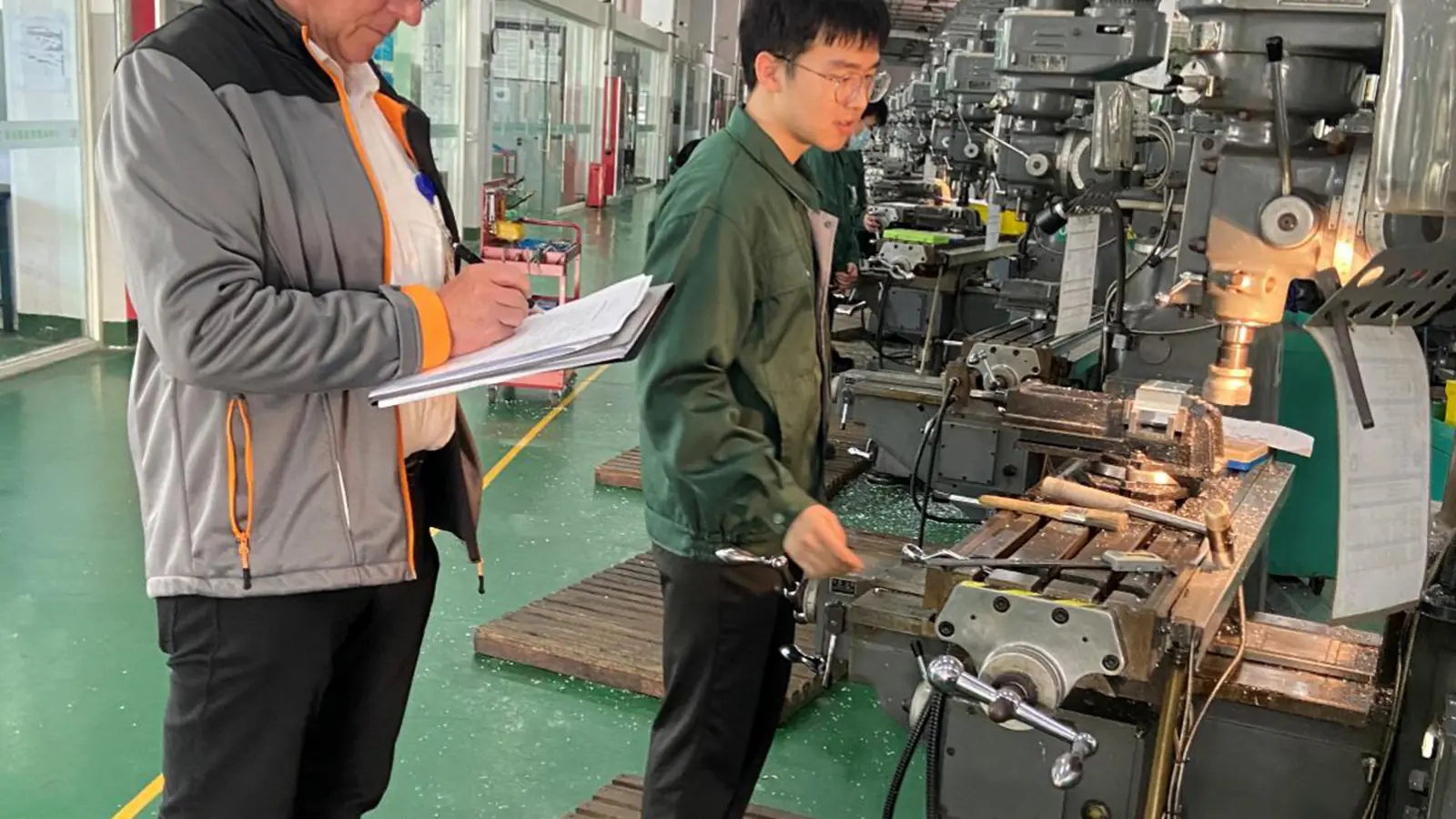
Capacity claims on Alibaba mean nothing — the real test of how to choose a factory in China is seeing the machines yourself. During your factory audit, count the production lines, note the equipment brands and models, and ask how many units they produce per month. Compare that number with the volume you plan to order. If your order would consume 80% or more of their capacity, quality will suffer when other orders arrive.
Walk the production floor. Are machines running? Are workers present and busy? A quiet, half-empty factory is a red flag — unless you arrive during a national holiday.
Step 3: Audit the Quality Control System
Ask about incoming material inspection, in-process checks, and final inspection — the heart of how to choose a factory in China. Who does the checking? Do they have written procedures and records? A factory that documents its quality checks is a factory that cares about quality.
Check whether they have an in-house QC team or rely on random visual checks. Ask to see defect records and customer complaint files. The way a factory talks about its past mistakes tells you a lot about how it will handle yours.
Step 4: Meet the Team and Check Management Stability
To choose a factory in China well, meet the factory owner or general manager in person. Ask about staff turnover — high turnover means training costs and inconsistent quality. Ask who your main contact will be and whether they speak your language.
Meeting the owner in person usually means travelling, and the trip needs a plan of its own — the SourceEyes guide to how to plan a China sourcing trip covers the fair phase calendar, the four-week countdown before you fly, and how to book factory visits that fit around the fair.
Management stability matters more than most buyers realize. If the salesperson who quoted you leaves, your project can stall for weeks. A factory with a stable, experienced management team is easier to work with long-term.
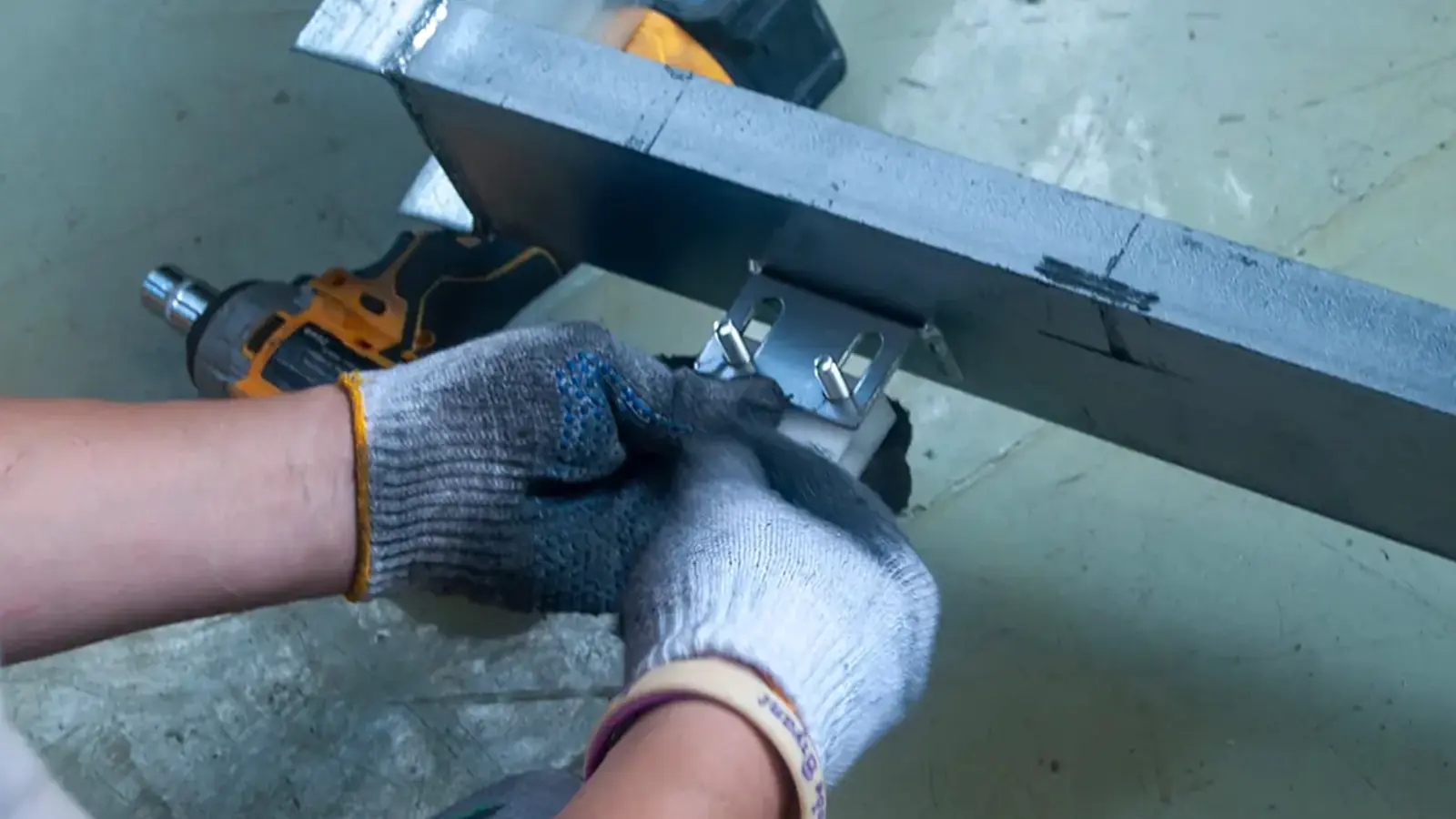
Big-ticket categories reward one extra pass in this step. On furniture, ask about the filling and woodworking lines specifically — foam density, frame joinery, edge banding — and check that the packing and loading plan suits the product, because a large item cannot be reworked once it reaches the destination port. The furniture sourcing from China guide from SourceEyes walks through the clusters and the QC points that catch it at the factory.
Step 5: Verify Compliance and Certifications
Ask for ISO 9001 certification and any industry-specific certificates (CE, FDA, BSCI, and so on). Compliance is how to choose a factory in China that lasts. Verify them, don’t just look at the logos — check the certificate number against the issuing body’s database, and confirm the factory name matches exactly. What counts as industry-specific varies by category — electronics sourcing from China, for example, is governed by a different certificate set in every export market.
For social compliance, ask about working hours, worker contracts, and safety equipment. An audit that only checks quality misses half the picture; buyers in the EU and US increasingly require proof of ethical practices too.
The 12-Point Factory Audit Checklist
| Category | What to verify |
|---|---|
| Legal | Business license matches contract name |
| History | Years in business, export experience |
| Capacity | Production lines, monthly output, machine condition |
| Workforce | Worker count, staff turnover, language ability |
| Quality | Incoming/in-process/final inspection records |
| Equipment | Machine age, maintenance logs, tooling |
| Certifications | ISO 9001, CE, FDA, BSCI — verified, not just claimed |
| Compliance | Working hours, safety equipment, environmental permits |
| Management | Owner/manager stability, decision authority |
| Communication | English level, response speed, single point of contact |
| Samples | Sample quality, lead time for approval samples |
| Red flags | Unwillingness to show records, vague answers, pressure to pay upfront |
Print this checklist and take it with you — or let SourceEyes run the audit for you. It turns how to choose a factory in China into a simple step-by-step process. An on-site audit before production is the cheapest insurance you will ever buy.
SourceEyes works the checklist in 4 passes — licence and scope, production floor, quality system, then the packing plan — and reports each pass with photographs. The written result is what a second candidate is then measured against.
Questions buyers ask about verifying a Chinese factory
How do I verify that a Chinese factory is real?
The first step in how to choose a factory in China is the business licence (营业执照) — check three things against it: the registered name, the address, and the scope of business. Cross-check the licence number in China’s National Enterprise Credit Information system. If the licence name does not match the company on your contract, stop there.
What should a factory audit actually cover?
This 12-point checklist is the working answer to how to choose a factory in China: legal entity, trading history, capacity, workforce, quality system, equipment, certifications, compliance, management stability, communication, samples, and the red flags. An audit answers all twelve with evidence — photographs, records and documents you can hold next to the next candidate’s.
How do I check production capacity, not just capacity claims?
When you learn how to choose a factory in China, capacity is the check most buyers get wrong. Count the production lines, note the equipment brands and models, and ask for monthly output — then compare it with your order. If your order would consume 80% or more of their capacity, quality suffers when other orders arrive. Capacity claims on a B2B platform are a starting point, never a finding.
Do certifications matter, and how do I verify them?
Certification is where how to choose a factory in China stops being a paperwork exercise. Yes, but a logo is not a certificate. Ask for ISO 9001 and any sector-specific certificates (CE, FDA, BSCI and so on), then verify the certificate number in the issuing body’s own database and confirm the factory name matches exactly. Regulated categories are governed by a different certificate set in every export market, so check what your market requires before production.
Should I pay for an independent audit if I cannot visit?
If your order value is above a few thousand dollars, or you cannot travel, an independent audit usually pays for itself. The reason is structural rather than technical: an independent auditor has no incentive to hide what they find, and they know which process steps to look at for your category.
When You Need a Professional Factory Audit
Knowing how to choose a factory in China is not the same as being able to act on it. If your order value is above a few thousand dollars, or you cannot visit China yourself, a professional factory audit pays for itself — and it is worth knowing what a genuinely independent agent does and does not do before you appoint one: see third party sourcing agent. Independent auditors have no incentive to hide problems, and they know where to look.
The same logic applies before you appoint anyone. Auditing a factory answers whether the supplier is real; it does not answer whether you should be running the process yourself at that volume, or whether the fee is smaller than the risk it removes. That second question is worked through in the decision version.
SourceEyes performs factory audits, pre-shipment inspections, and product quality checks across the Yangtze River Delta. SourceEyes helps you choose a factory in China, verify it before you pay, and inspect the goods before they ship. If you are learning how to choose a factory in China, let a local team do the walking for you.
Ready to verify a supplier? Contact us for a factory audit quote — consultations are free.
Key Takeaways on How to Choose a Factory in China
- Verify the business license before anything else — it is the foundation of trust.
- The rules of how to choose a factory in China are stable: capacity, equipment and a working QC system matter more than the price per unit.
- Certifications must be verified with the issuing body, not trusted at face value.
- When in doubt, hire an independent audit — it costs little compared to a bad shipment.
Reference: ISO 9001 Quality Management · amfori BSCI · SEDEX