How much does it cost to ship from China? The honest answer: it depends. Freight prices swing with fuel, season, and route, but every importer needs a realistic number before placing an order. This guide gives you the current ballpark for every shipping method, the factors that move the price, and eight practical ways to pay less.
SourceEyes is a sourcing and QC team based in Suzhou, China. SourceEyes arranges and supervises shipments from the Yangtze River Delta every week, so the numbers below reflect real, current quotes — not textbook averages.
Method 1: Sea Freight (FCL and LCL)
How much does it cost to ship from China by sea? Sea freight is the cheapest option, and the default for most B2B imports. You have two options:
- FCL (Full Container Load): you rent an entire 20ft or 40ft container. Best when your goods fill most of a container.
- LCL (Less than Container Load): your cargo shares a container with other shipments. Best for smaller orders.
Current ballpark prices from major China ports (Shanghai / Ningbo / Shenzhen):
| Route | 20ft container | 40ft container |
|---|---|---|
| China → US West Coast | $1,500 – $2,800 | $2,000 – $3,800 |
| China → US East Coast | $2,000 – $3,500 | $2,800 – $4,800 |
| China → Europe (Rotterdam) | $1,600 – $3,000 | $2,200 – $4,200 |
| China → Southeast Asia | $600 – $1,200 | $900 – $1,800 |
These are freight-only rates. Port charges, customs clearance, and inland trucking add roughly 15–30% on top — the SourceEyes import cost calculator shows what that does to your landed cost. Duty and clearance can outgrow freight entirely on some routes — SourceEyes works the full stack through for five destinations in its Bangladesh, Vietnam, Indonesia, Sri Lanka and Thailand import guides. How much does it cost to ship from China once port charges, clearance and trucking are added? That figure is your landed cost, not the freight rate.
Pakistan is a case where the landed cost changes shape. Duty there is one of five lines, and which rate applies depends on a Form P certificate of origin claimed before the vessel sails rather than after arrival — which makes the certificate a purchasing decision, not a customs one. Our import from China to Pakistan guide works the arithmetic through line by line.
Method 2: Air Freight — When Speed Pays
How much does it cost to ship from China by air? Air freight costs 10–15 times more than sea, but takes only 3–7 days instead of 25–40. Use it for high-value, low-volume, or urgent goods. Typical air rates from China: $4.50 – $9.00 per kilogram, depending on route and season. A 100kg shipment might cost $500–$900 in air freight, versus roughly $60–$120 as part of an LCL consolidation.
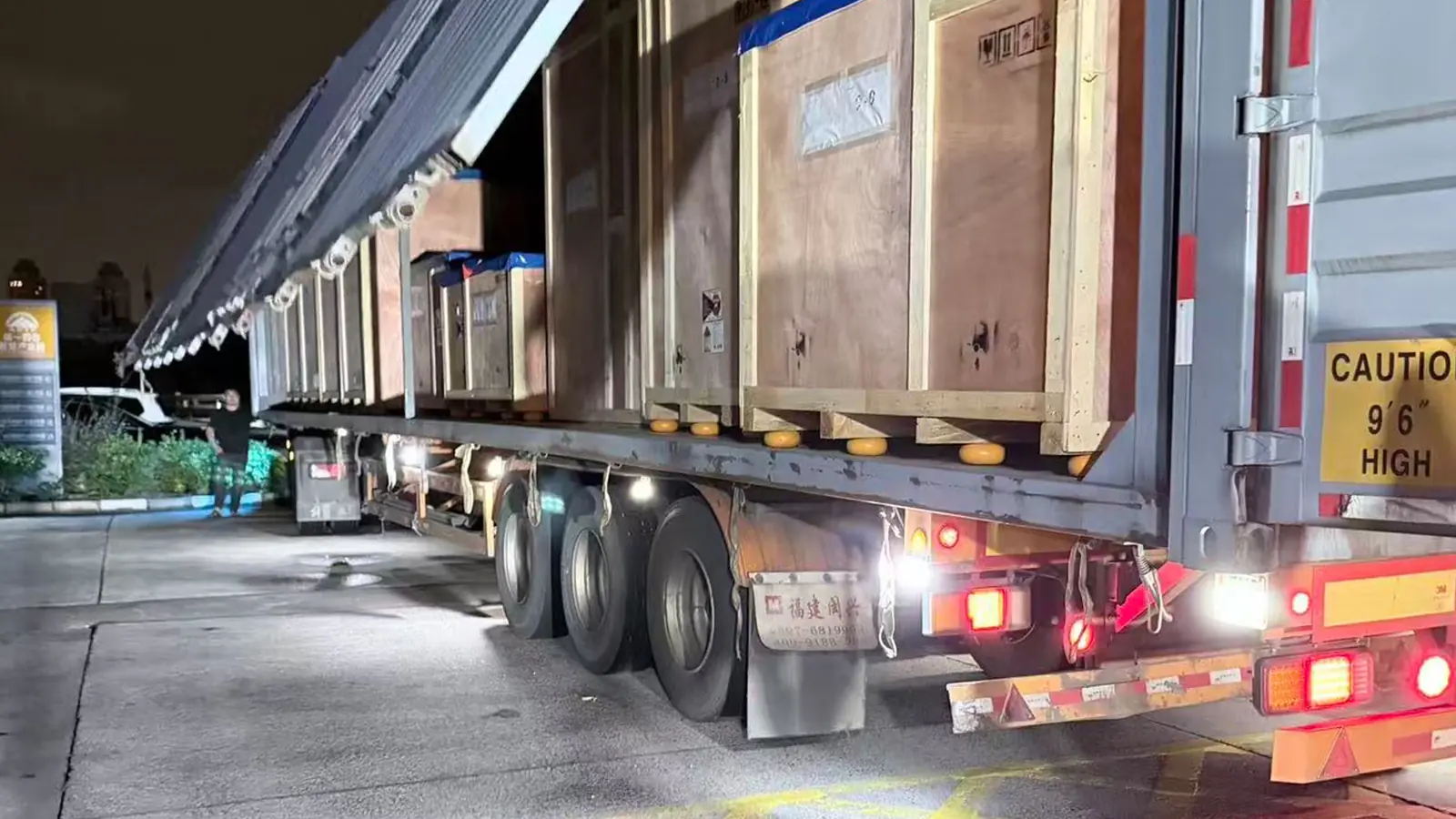
Method 3: Express Courier (DHL, FedEx, UPS)
How much does it cost to ship from China by courier? For samples and small parcels under 50kg, express couriers are fastest and most convenient: door-to-door in 3–5 days. Rates are roughly $6 – $15 per kilogram with a minimum charge. A 5kg sample box from Shenzhen to New York typically costs $40–$80.
Method 4: Rail Freight — The Middle Ground
How much does it cost to ship from China by rail? China-Europe rail takes 15–20 days and costs about 50–60% of air freight. It is a growing option for mid-value goods, though capacity is limited in peak seasons.
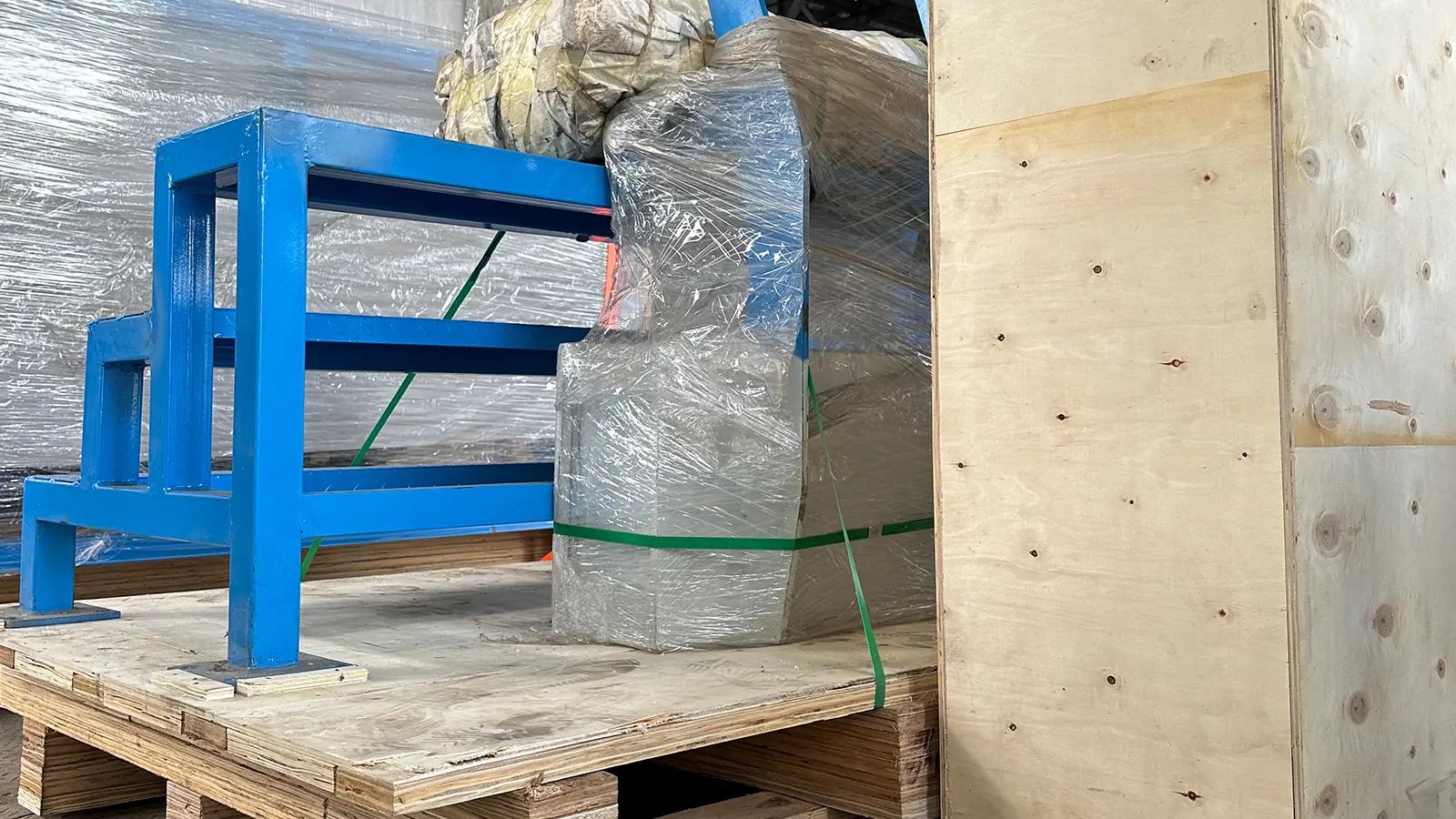
What Actually Drives the Shipping Cost from China?
Five factors dominate every quote:
- Volume and weight — freight is priced per cubic meter (CBM) or kilogram, whichever is greater.
- Route and distance — trans-Pacific and Europe routes cost more than intra-Asia.
- Season — August–October peak season raises rates 20–40%.
- Incoterms — who pays for what changes the total you see.
- Delivery speed — express beats air, air beats sea, sea beats everything on price.
When you ask how much does it cost to ship from China, always give your forwarder the volume in CBM, the weight, the destination, and the desired delivery window. A precise quote takes minutes; a vague one is worthless.
8 Ways to Cut Your Shipping Cost from China
- 1. Consolidate orders — one larger shipment beats three small ones.
- 2. Reduce dimensional weight — smaller, smarter packaging saves real money.
- 3. Book 3–4 weeks ahead — last-minute bookings pay premium rates.
- 4. Compare 3 forwarders — rates vary by 20% between reputable firms.
- 5. Avoid peak season — ship in February–June when rates are soft.
- 6. Use LCL for small orders — don’t pay for a full container you don’t fill.
- 7. Check the port of discharge — a less congested port can cut inland costs.
- 8. Get your documents right — customs delays and storage fees are pure waste.
How much does it cost to ship from China? The questions behind the number
What is the cheapest way to ship from China?
Sea freight, by a wide margin. A 20ft container from Shanghai, Ningbo or Shenzhen runs roughly $600–$1,200 to Southeast Asia, $1,500–$2,800 to the US West Coast and $1,600–$3,000 to Europe, against $4.50–$9.00 per kilogram by air. Sea costs 10–15 times less than air, but takes 25–40 days instead of 3–7.
SourceEyes quotes these lanes from Shanghai, Ningbo and Shenzhen rather than from a rate table, because the port of loading moves the number more than the destination does. A quote from SourceEyes is one route, one container size, one sailing window.
Should I choose sea freight or air freight?
When you ask how much does it cost to ship from China, the answer turns on value density and urgency, not habit. Air freight suits high-value, low-volume or time-critical goods; sea freight suits everything else. A useful reference point: a 100kg shipment that costs $500–$900 by air costs roughly $60–$120 as part of an LCL consolidation.
What actually drives the price up?
Five factors dominate every answer to how much does it cost to ship from China: volume and weight (charged per CBM or per kilogram, whichever is greater), route and distance, season (August–October peak adds 20–40%), Incoterms (who pays which cost), and delivery speed. Note that the freight rate is not the landed cost — port charges, customs clearance and inland trucking add roughly 15–30% on top.
How do I cut the cost without cutting corners?
The levers that change how much does it cost to ship from China are boring and repeatable: consolidate orders into one shipment, reduce dimensional weight with smarter packaging, book 3–4 weeks ahead, compare at least three forwarders (reputable firms vary by around 20%), avoid the August–October peak, use LCL when you are not filling a container, pick a less congested port of discharge, and get the documents right — customs delays and storage fees are pure waste.
Do I need a freight forwarder?
For your first shipments, yes — and how much does it cost to ship from China should be the question your forwarder answers in writing. A forwarder handles booking, documentation, customs and tracking — the steps where new importers lose money. Ask for a fixed quote that includes all port and clearance fees, read the Incoterms carefully, and put the question no rate table answers to them: what does it cost for your CBM, route and time window.
Do You Need a Freight Forwarder?
For your first few shipments, a good freight forwarder is worth every yuan. Ask them the question no rate table answers: how much does it cost to ship from China for your CBM, route and time window. They handle booking, documentation, customs, and tracking — the parts where new importers lose money. Ask for a fixed quote including all port and clearance fees, and read the Incoterms carefully.
Still learning the basics? Start with the SourceEyes guide to importing from China.
SourceEyes checks your goods are packed and loaded correctly before they leave, so you are not paying to ship damaged or under-counted cargo. If you want a realistic shipping estimate for your product, contact us — consultations are free, and SourceEyes will tell you honestly if a route does not make sense. How much does it cost to ship from China when the goods arrive damaged? More than any freight saving. That is why SourceEyes inspects before loading.
Key Takeaways: How Much Does It Cost to Ship from China?
- Sea freight is 10–15x cheaper than air; choose by value, volume, and urgency.
- Always quote volume in CBM, weight, destination, and time window.
- Peak season (Aug–Oct) inflates rates by 20–40% — plan around it.
- Consolidation, smart packing, and early booking cut costs the most.
Reference: Freightos Baltic Index (FBX) · U.S. CBP Import Basics · IATA Cargo