A first import from China runs in a fixed order: define the product and target cost, shortlist suppliers, verify the factory, approve a sample, agree price and payment terms, inspect before shipment, then clear customs. Skip a step and the mistake surfaces later, at your cost. For first-time buyers the process feels like a maze; it is really seven decisions.
Importing from China is one of the smartest moves a small or mid-sized business can make — lower costs, wider product variety, and a manufacturing ecosystem that can build almost anything. The difficulty is not the idea, it is the sequence.
This guide walks you through every step of importing from China, in plain language. Whether you are buying furniture, electronics, packaging, or components, the process is the same. Read it once, keep it open while you work, and you will avoid the mistakes that cost most beginners time and money.
The 7-Step Process to Import from China
Step 1: Define Your Product and Requirements Before You Search
The biggest mistake new importers make is searching for “a supplier” before they know what they need. Suppliers quote faster and negotiate better when you give them a clear specification. Before contacting anyone, write down:
- Product specification — dimensions, materials, colors, tolerances, packaging, and any certifications (CE, FCC, RoHS, FDA).
- Quantity — realistic order size. Small quantities cost more per unit, so know your minimum budget.
- Target price — your landed cost target, including shipping and duties.
- Timeline — when you need goods in hand, working backwards from production and shipping times.
- Compliance — check your country’s import rules for your product before you order, not after (see customs links below).
A clear spec sheet does two things: it filters out suppliers who cannot do the job, and it becomes your contract reference later.
Step 2: Find the Right Supplier
When you import from China, most buyers start on B2B platforms like Alibaba, Global Sources, or Made-in-China. These are useful directories, but remember: anyone can list there, including trading companies pretending to be factories. When you shortlist suppliers, verify three things:
- Are they a factory or a trader? Ask directly. A factory can show you its production line on a video call; a trader usually cannot.
- How long have they been operating? Older factories have survived harder years.
- Who else do they supply? Factories that export to Europe, the US, or Australia usually maintain consistent quality.
Red flags to walk away from: prices far below market, pressure to pay 100% upfront, refusal to send samples, and vague answers about production capacity.
Step 3: Verify the Factory — Don’t Trust Photos
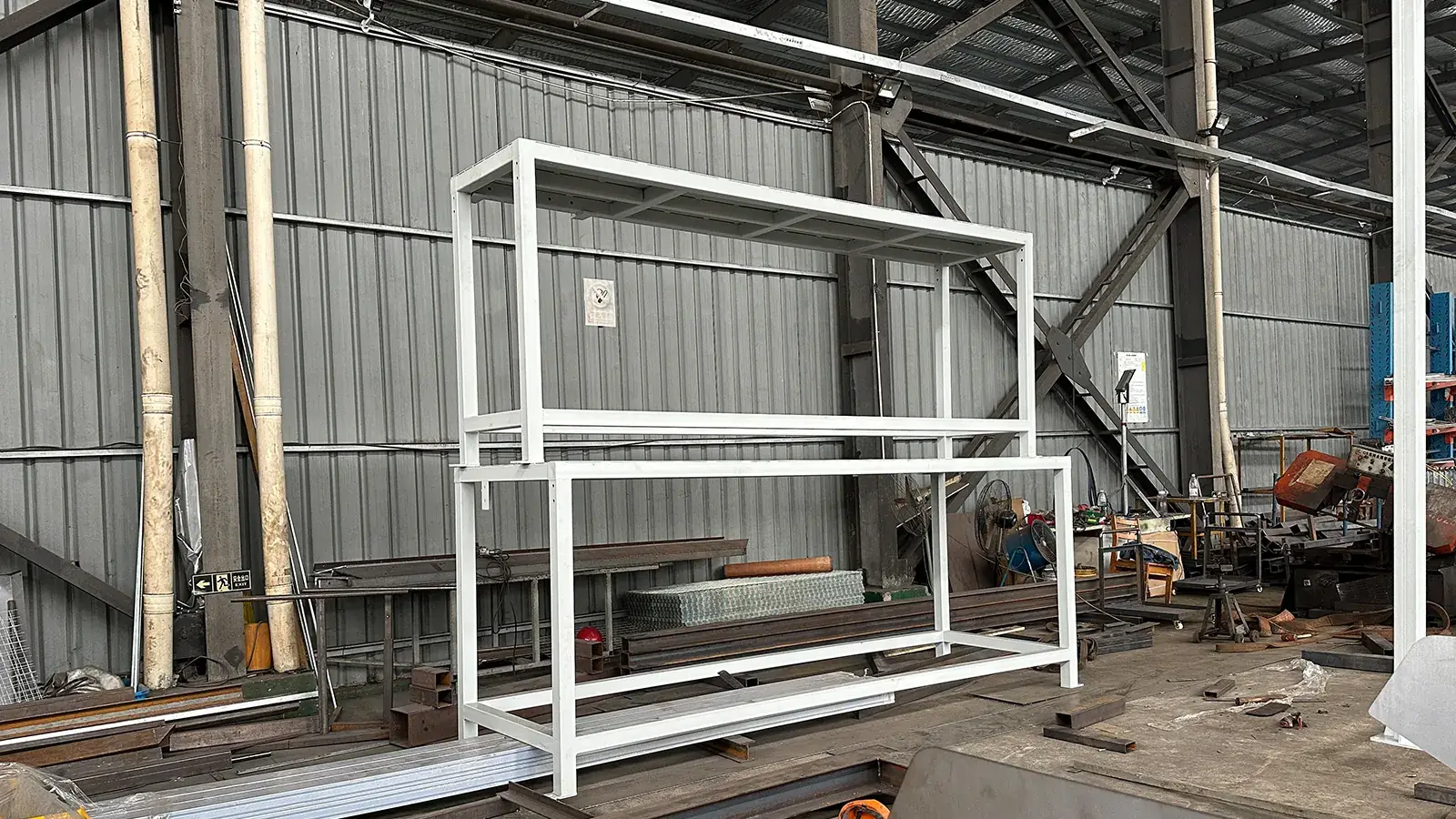
A factory’s photos and videos can be flattering, especially when you are learning how to import from China. What you actually need is verification from the ground. Options, from cheapest to most thorough:
- Video call tour — free, but limited; ask to see specific machines and products live.
- Third-party report — a basic company check costs little and confirms the factory actually exists at the address it claims.
- On-site audit — the gold standard. Someone walks the floor, checks equipment, headcount, quality systems, and working conditions. This is where an experienced agent in China earns its fee.
If you are ordering anything above a few thousand dollars, an on-site audit is the cheapest insurance you will ever buy. Photos are not verification, whichever route you take to import from China.
If you would rather walk the floor yourself, the trip deserves the same planning as the order — the SourceEyes guide to how to plan a China sourcing trip covers the fair phase calendar, the four-week countdown and how to pick factory visits worth the travel.
Step 4: Order Samples and Lock the Quality Standard
Follow this rule whenever you import from China: never go into mass production without an approved sample. Order a pre-production sample first, check it against your spec sheet, and keep the approved sample as your reference — it becomes the benchmark for every inspection later. A few practical points:
- Pay for samples; reputable factories charge for them, and that is normal.
- Ask for the sample to be produced on the same line and with the same materials as mass production.
- Check dimensions, materials, finish, packaging, and any certifications in the sample.
- Put the quality standard in writing before production starts.
Step 5: Negotiate Price, Payment Terms, and Incoterms
Chinese suppliers expect negotiation, but they also respect buyers who understand how pricing works. Three levers matter most:
- Payment terms — the standard is 30% deposit, 70% before shipment (or against Bill of Lading copy). Be suspicious of anyone demanding 100% upfront. For larger orders, L/C (letter of credit) is safer but slower.
- Incoterms — decide who pays for shipping and where risk transfers. Incoterms 2020 rules like FOB, CIF, and DDP are the global standard; learn what each one means before quoting.
- Price structure — ask for a breakdown (materials, labor, packaging, profit). Reasonable suppliers can explain their numbers; that transparency is a good sign.
One asymmetry is worth keeping in mind at this step: payment terms are negotiable, the receiving account is not. Bank detail changes tend to arrive by email just as an order is about to be paid, so verify any change through a channel you already had rather than the message that brought it. The SourceEyes guide to payment terms when importing from China covers the structures and the checks side by side.
Step 6: Quality Control Before It Ships
Quality problems found at your warehouse cost ten times more than problems found at the factory — the most common quality mistake people make when they import from China. Build inspection into the schedule:
- Mid-production inspection — catches issues early, when they are still cheap to fix.
- Pre-shipment inspection (PSI) — the most important check, done when 80–100% of goods are finished. An inspector samples cartons using AQL (Acceptable Quality Limit) standards and checks against your approved sample.
- Container loading supervision — confirms the right goods, right quantity, and correct packing go into the container.
You can hire independent inspection companies, or use a local sourcing partner who does inspections as part of the service. Either way, never skip PSI on a first order. It is the single most valuable service for buyers who import from China.
Step 7: Shipping, Customs, and Delivery
Once goods pass inspection, logistics take over — a stage where first-time buyers who import from China often underestimate costs. A freight forwarder handles the paperwork and booking:
- Sea freight — cheapest for heavy or bulky goods; takes weeks. FCL for full containers, LCL for shared containers.
- Air freight — fast but expensive; good for high-value or urgent goods.
- Express courier — best for small samples and parcels (DHL, FedEx, UPS).
- Customs clearance — your forwarder or customs broker files the entry; duties and taxes depend on your country’s tariff rules. For US imports, U.S. Customs and Border Protection is the official reference; the EU provides guidance through its customs portal.
Always get the commercial invoice, packing list, and Bill of Lading / Air Waybill from the supplier, and check them against what was actually shipped. A mismatch here is a common reason a first import from China is held at the port.
Common Mistakes First-Time Importers Make
- Ordering from the cheapest quote without verifying the factory.
- Skipping samples to save a few dollars.
- Paying 100% upfront to a “trusted” contact.
- Ignoring compliance and certification until goods arrive at customs.
- Not building inspection into the schedule, then discovering defects after payment.
- Underestimating shipping, duty, and storage costs when calculating landed cost.
Landed cost is where first orders surprise people most: duty is assessed on CIF value rather than the invoice figure, and the certificate of origin decides the rate. Our import from China to Vietnam, import from China to Indonesia and import from China to Thailand guides from SourceEyes work one full container through that stack, line by line — and so does our import from China to Sri Lanka guide. Every mistake above is avoidable, and none of them needs experience; just a checklist you follow each time you import from China.
Those 4 checks are the ones SourceEyes runs on every order: the manufacturing entity verified before the deposit, the approved sample frozen in writing, an inspection before loading, and the document set matched to what your broker expects.
How SourceEyes Helps You Import from China
SourceEyes is a small, real team based in Suzhou, in the heart of China’s Yangtze River Delta manufacturing belt. SourceEyes does the parts of importing from China that are hardest to do from abroad: vetting and verifying factories, walking production floors, checking quality against your approved sample, and sorting out logistics — all handled by real people on the ground, not a call center. So you can import from China without a local office, a Mandarin speaker, or a flight.
You can start small: a first collaboration with SourceEyes starts from $20, and all consultations are free. Send us your product idea and SourceEyes will tell you honestly whether it makes sense to source from China — and if it does, SourceEyes shows you exactly how. Send us the product and the market, and SourceEyes will tell you what a first import from China should cost.