The answer to how to plan a China sourcing trip is sequencing, not logistics: pick the phase (and therefore the category) first, build a shortlist of 20–30 suppliers by hall and booth number second, book the meetings third, and put the factory visits on the days before or after the fair.
Most first trips fail for a boring reason: the buyer booked flights before deciding what the trip was for. This guide sets out the 4-week countdown, what a working day at the fair looks like, and the seven planning failures that waste the money.
In this guide
- Start with the phase, not the flight
- How to plan a China sourcing trip: the 4-week countdown
- What a working day looks like
- The factory visits are the real trip
- If you cannot make the trip
- Seven planning failures that waste the trip
- Key takeaways on how to plan a China sourcing trip
- Questions buyers ask before a China sourcing trip
- Where SourceEyes helps
Start with the phase, not the flight
The Canton Fair runs in three five-day phases with a three-day break between each, and the phases cover different categories. The 140th session runs from mid-October into early November 2026 in Guangzhou:
- Phase 1 — electronics, home appliances, machinery, tools, hardware, vehicles, building materials
- Phase 2 — consumer goods, home decoration, gifts, ceramics, kitchenware, furniture (if ceramics or building materials are the reason for the trip, our cluster map shows where they cluster)
- Phase 3 — textiles, garments, shoes, bags, medical devices, food, office supplies
Phase 3 is where the checking changes shape. Textiles, garments and bags are judged on the fabric rather than the finished item, so the tests move to GSM and fibre composition, dye-lot continuity and AQL levels written specifically for garments. Our textile and apparel sourcing guide sets out those checks.
That calendar is the first decision in how to plan a China sourcing trip, because the phases do not overlap. Arrive on a turnover day expecting to see two categories and you will find empty halls. How to plan a China sourcing trip that spans electronics and home goods is the harder version: the honest choices are a longer stay, two trips, or one phase plus a factory block on the other category. Confirm exact dates on the official Canton Fair site before booking anything — they shift a little each year.
Trip timing is more than the fair dates: the other window that moves everything is Chinese New Year, when factories close for two to three weeks and no visit is worth booking. The shutdown dates behind that window covers what that does to a sourcing calendar.
Furniture sits in Phase 2 of the fair, alongside home decoration, ceramics and kitchenware, so a furniture-only trip can be built around five days in Guangzhou. What cannot wait until you land is the manufacturing detail: moisture content for solid wood, the exact specification written into the PO, and whether the packing will survive a container. The SourceEyes guide to furniture sourcing from China covers those checks in order.
How to plan a China sourcing trip: the 4-week countdown
- Four to six weeks out: registration, visa and documents. This step sets the clock for how to plan a China sourcing trip, so start here rather than with flights. Register as an overseas buyer on the official platform and collect your buyer badge number. Apply for a business (M) visa through your nearest Chinese embassy or visa centre, and ask a supplier — or the fair organiser — for an invitation letter, which smooths the application. Passport validity of at least six months.
- Four to six weeks out: book the hotel. Hotels within walking distance of the Pazhou complex go to three to five times normal rates during fair weeks and sell out early. The alternative that experienced buyers use is a hotel on Metro Line 8 a few stops away — better availability, sane pricing, 20–30 minutes to the halls.
- Two to four weeks out: screen suppliers before you travel. Pre-screening is where how to plan a China sourcing trip turns into a shortlist instead of a wander. Pre-screen on 1688.com and Alibaba, then build a shortlist of 20–30 suppliers by hall and booth number, because at the venue the hall is what you navigate by. Email your top ten and ask for a 30-minute slot at their booth: “I will be at Phase X, can we schedule a meeting?” A booked meeting is worth five cold walk-ups.
- Two weeks out: schedule the factory visits. This is the part most buyers leave too late in how to plan a China sourcing trip. Most Pearl River Delta factories are two to three hours from Guangzhou by high-speed rail, so visits fit into the days before or after the fair rather than during it. Confirm the visits in writing and ask for the address in Chinese, because drivers will need it.
- One week out: logistics you cannot fix on arrival. Install WeChat before you fly and set up payment — WeChat Pay or Alipay linked to a foreign card covers almost everything. Check import duty for your product so you can compare quotations landed rather than at the booth, and read up on customs valuation if suppliers quote in different Incoterms.
- Pack for the trip you are actually taking. Comfortable shoes (you will walk several kilometres a day across the halls), business cards with a Chinese side, printed one-pagers with your specifications, a power bank, and a Type A/C/I adapter. Carry USD 200–500 in cash for small vendors and taxis.
- Go in with a brief. It is the cheapest improvement to any plan for how to plan a China sourcing trip. The single strongest signal you can give a supplier is a buyer with written requirements: product, target price, volume, destination market and certification needs. Buyers with specific requirements get taken more seriously, and they get comparable answers instead of brochures.
What a working day looks like
The rhythm that works is unglamorous. Mornings go to pre-booked meetings — suppliers are freshest and the halls are least crowded, and your highest-value conversations happen in a 90-minute window. Midday is systematic walking through your target halls, photographing booths and product codes together with the card, because by day three you will not remember which card belongs to which product.
Afternoons are for second meetings and price or specification questions. Evenings are for notes: type up the day, star your top three to five suppliers, and send follow-ups the same night while you are still a memory at the booth rather than a name in an inbox.
Two rules protect a trip planned under how to plan a China sourcing trip. First, treat every exhibitor as a marketing operation until proven otherwise — a booth is not a factory, and assuming it is, is one of the most expensive assumptions in sourcing. Second, give every lead a status before you leave — sample, quote, follow-up, or discard. Leaving with a bag of catalogues and no decisions is the most common way how to plan a China sourcing trip ends up producing nothing.
The factory visits are the real trip
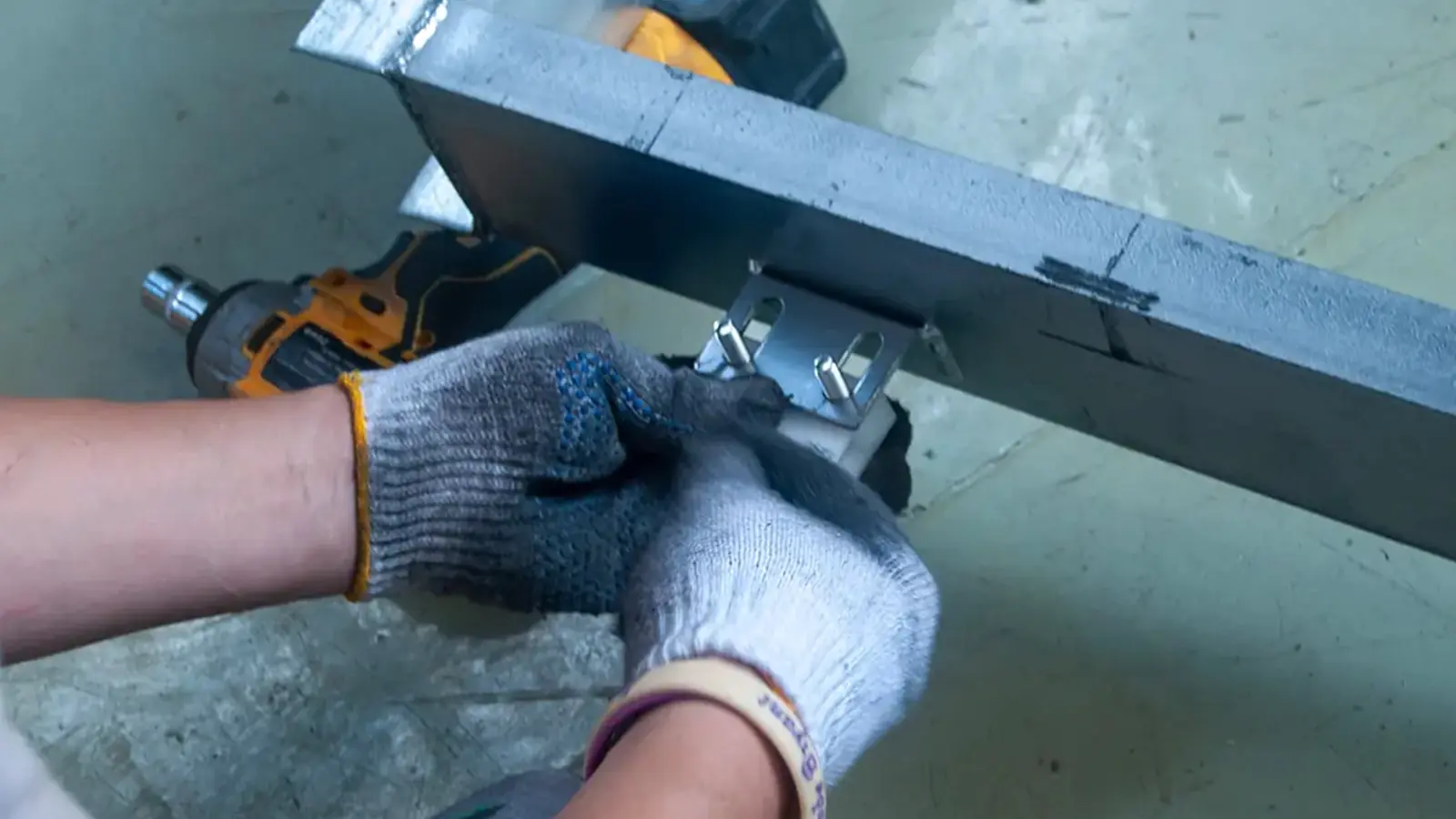
The fair gives you contacts; the factories decide whether the contacts are real. This is why how to plan a China sourcing trip is mostly a question of which factories you book, not which halls you walk. Budget two to three hours per visit, plan three to five visits, and treat the visit as an audit rather than a tour: who owns the plant, which processes run in-house, how the production line is actually organised, whether the people answering your technical questions are engineers or sales staff, and what the finished-goods area looks like on a normal working day.
The difference between a factory audit and an inspection matters here, and it is worth separating the two before you travel — the SourceEyes comparison of factory audit versus inspection covers what each one actually proves. If you are also meeting suppliers you will not have time to visit, run the generic starting point from SourceEyes, how to choose a factory in China, on those conversations instead.
If you cannot make the trip
The same how to plan a China sourcing trip logic applies when you never board the plane: the plan matters more than the travel. Not travelling does not mean giving up the outcome, and it is worth being honest about the trade-off. A local agent with a specific brief can walk 30 or more booths in a day and send photographs, pricing and a supplier assessment — a fraction of the cost of a flight, hotel and week away from the business. What it does not replace is the judgement you bring to a plant floor.
That is why the remote route works best when it is deliberate rather than accidental: brief someone precisely, ask for the same evidence you would look for yourself, and cover the gaps with independent verification. The SourceEyes guide to importing from China without visiting sets out the safeguards that replace a personal visit, and this is the professional version of the same idea.
Seven planning failures that waste the trip
Most of these are avoidable at the planning stage, which is the whole argument for thinking through how to plan a China sourcing trip on paper first.
- Choosing dates before defining the product list. The phase follows the category, never the other way round.
- Trying to cover too many halls in too few days. Depth beats coverage; second meetings produce orders.
- Assuming every exhibitor is a manufacturer. Some are trading companies, which is acceptable if it is deliberate.
- Leaving without product codes, MOQ and a next action for each supplier. A lead without a next step is a souvenir.
- Paying a deposit before supplier verification. Enthusiasm at a booth is not due diligence.
- Ignoring destination-market labelling and certification. Requirements your market imposes are not something a supplier can fix later.
- No plan for consolidating orders from several suppliers. Three suppliers in three cities means three shipments, unless someone plans the consolidation while you are there.
Key takeaways on how to plan a China sourcing trip
- Phase before flights. The category decides the dates, never the other way round.
- Book the factory visits before you book anything else. The fair supplies contacts; the plants decide.
- Leave with a status for every lead — sample, quote, follow-up or discard.
Get those three right and how to plan a China sourcing trip stops being a gamble; everything else is logistics.
Questions buyers ask before a China sourcing trip
Which Canton Fair phase should I attend?
In how to plan a China sourcing trip, the three phases do not overlap, so the phase follows your category: Phase 1 covers electronics, home appliances, machinery, tools, hardware, vehicles and building materials; Phase 2 covers consumer goods, home decoration, gifts, ceramics, kitchenware and furniture; Phase 3 covers textiles, garments, shoes, bags, medical devices, food and office supplies. If your product list spans two phases, the honest options are a longer stay, two trips, or one phase plus a factory block — the most common compromise in how to plan a China sourcing trip.
How far in advance should I start planning?
Planning a China sourcing trip runs on a countdown. Four to six weeks out: register as an overseas buyer for your buyer badge, apply for a business (M) visa with an invitation letter, and book the hotel — rooms within walking distance of the Pazhou complex run three to five times normal rates during fair weeks. Two to four weeks out: pre-screen suppliers and build a shortlist of 20–30 names by hall and booth number, then email your top ten for a 30-minute booth slot. A booked meeting is worth five cold walk-ups.
Should I visit factories, or is the fair enough?
Most of how to plan a China sourcing trip is deciding which factories you book, not which halls you walk. The fair gives you contacts; the factories decide whether the contacts are real. Budget two to three hours per visit and plan three to five visits. Most Pearl River Delta factories are two to three hours from Guangzhou by high-speed rail, so the visits fit into the days before or after the fair rather than during it — confirm them in writing and get the address in Chinese for the driver.
What do I need to enter China for a sourcing trip?
For how to plan a China sourcing trip from outside China, the entry requirements come first: a business (M) visa, applied for through your nearest Chinese embassy or visa centre, plus a passport valid for at least six months. An invitation letter from a supplier or the fair organiser makes the application smoother. Confirm the current session dates on the official Canton Fair site before booking anything — they shift slightly each year.
What if I cannot travel to China at all?
The same sequencing answers how to plan a China sourcing trip from your desk. A local agent with a specific brief can walk 30 or more booths in a day and send photographs, pricing and a supplier assessment — a fraction of the cost of flights, hotel and a week away. What it does not replace is the judgement you bring on a plant floor, so brief precisely and ask for the same evidence you would look for yourself.
Where SourceEyes helps
SourceEyes is a sourcing and QC team based in Suzhou, China. When buyers travel, SourceEyes helps them get more out of the week — and when they ask us how to plan a China sourcing trip beforehand, the answers usually change the itinerary: pre-screening suppliers before they fly, arranging and attending factory visits, translating the technical conversation, and turning the meetings into a written comparison you can actually decide on. When they cannot travel, SourceEyes runs the same process on the ground and reports with photographs and documents.
SourceEyes runs 4 steps on a China sourcing trip: pre-screening suppliers before departure, arranging and attending factory visits, translating the technical conversation, and turning the meetings into a written comparison the buyer can decide on.
See how that works on the SourceEyes services page, check indicative fees on pricing, and read the pre-shipment inspection checklist for what happens after the order. Contact us with your product list and travel window and SourceEyes will tell you which phase fits, which factories are worth the detour, and what to see while you are here.