A factory audit checks the factory: legitimacy, capacity, quality systems and equipment, once before you commit to a supplier. A product inspection checks one order against your approved sample, before it ships. A factory audit answers “should we work with this supplier at all?”; an inspection answers “should we accept this shipment?” — and mixing the two up is one of the most expensive mistakes in China sourcing.
A factory audit tells you whether a supplier is worth working with at all. A product inspection tells you whether a specific order is made correctly. You usually need the first once per supplier, and the second on every order. This guide explains exactly what each one does, when to use it, and how they work together to protect your money.
What Is a Factory Audit?
A factory audit (also called a supplier audit or capability audit) is the first line of defense in China quality control; it evaluates the factory itself — not a particular order. An auditor visits the facility and verifies that it is what it claims to be. A typical audit covers:
- Legitimacy — the factory actually exists at the stated address, with real registration and export records.
- Production capacity — number of workers, machines, and real output versus what the salesperson claims.
- Quality systems — does the factory have documented processes, quality checks, and trained staff?
- Equipment condition — working machines, maintenance records, and the ability to hit your tolerances.
- Working conditions — safety, staffing levels, and whether production looks organized or chaotic.
- Client mix — who else they produce for, and whether they have experience in your product category.
Think of an audit as a pre-qualification. It answers one question: can this factory realistically deliver what you need over time?
What Is a Product Inspection?
A product inspection evaluates a specific order against your approved sample and specification. It happens during or after production, and it is about catching defects before goods leave the factory. The three most common types:
- Mid-production inspection — done when 20–60% of goods are finished. It catches systematic problems early, while they are still cheap to fix.
- Pre-shipment inspection (PSI) — the big one, done when 80–100% is finished. An inspector draws a random sample and checks quantity, workmanship, dimensions, materials, function, and packaging against your spec.
- Container loading supervision — the inspector watches the container being loaded, confirming the right goods, in the right quantity, with the right packing and marks.
Inspections use industry-standard sampling plans such as ISO 2859-1 (often called AQL). In plain terms: the inspector checks a statistically meaningful sample, counts defects, and compares them against agreed acceptable limits.
Factory Audit vs. Inspection: The Key Differences
| Factory Audit | Product Inspection | |
|---|---|---|
| What it checks | The factory: capacity, systems, legitimacy | The goods: quality, quantity, packaging |
| When | Before you commit to a supplier | During / after production of each order |
| How often | Once per supplier (renewed when needed) | Every order, or at least every first order |
| Duration | Half a day to a full day on site | A few hours, depending on order size |
| Typical cost | Higher (more scope) | Lower (more focused) |
| Result | “Should we work with this factory?” | “Should we accept this shipment?” |
When Do You Need an Audit vs. an Inspection?
The rule of thumb for factory audit vs. inspection is simple:
- New supplier, first order → do an audit. Before you transfer a deposit to an unknown factory, confirm it is real, capable, and stable. A failed audit is a cheap way to avoid a very expensive mistake.
- Every order → do a pre-shipment inspection. Even a factory you trust can have a bad batch — wrong material, sloppy workmanship, a rushed schedule. PSI is your last line of defense before payment clears.
- Ongoing, high-volume supplier → mid-production inspection too. For big orders, checking early is cheaper than fixing late.
- Regulated products (toys, electronics, food contact, medical) → audit plus compliance checks. Your market may require certifications; verify them at audit stage, not at customs. Some categories go further, and this is where a factory audit should look hardest: elevator parts for Europe need an EU Notified Body, not a supplier’s self-declaration — see elevator parts from China.
How Audits and Inspections Work in Practice
- Share your requirements. For an audit: product type, target capacity, and any certifications you need. For an inspection: your spec sheet, approved sample, and AQL levels.
- The check happens on site. A real person visits the factory unannounced or on a scheduled visit, walks the floor, and documents everything with photos and notes.
- You receive a detailed report. Photos, measurements, defect counts, and a clear pass/fail recommendation — not a vague “everything is fine.”
- You decide. For an audit: proceed, renegotiate, or walk away. For an inspection: accept, reject, or require rework before shipment.
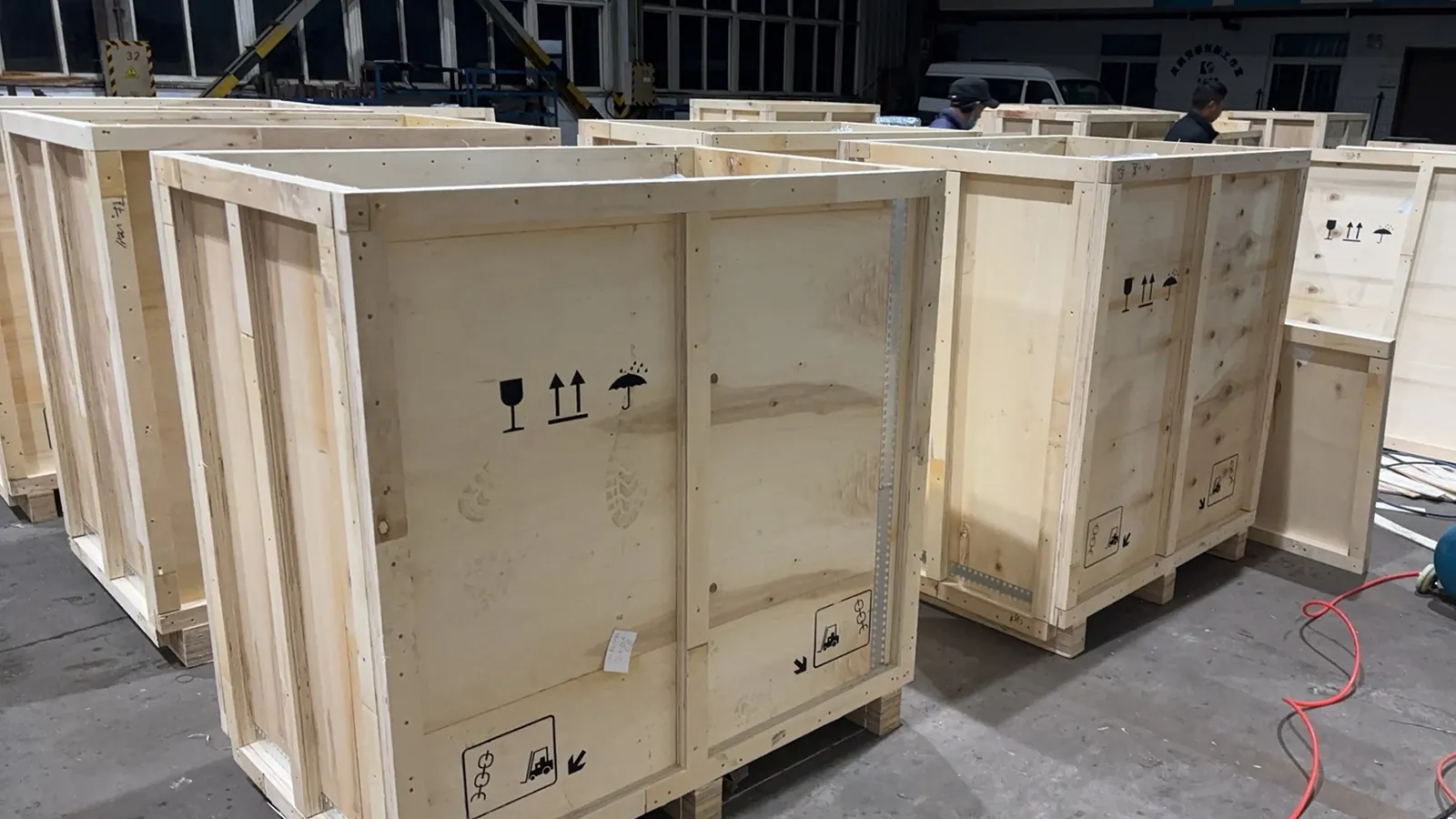
If you are importing consumer goods, be aware that your destination market may have its own mandatory safety rules — for example, products sold to US consumers may fall under U.S. CPSC oversight, and international trade rules are governed by frameworks such as the WTO. Compliance checks at the audit stage save you from customs surprises later.
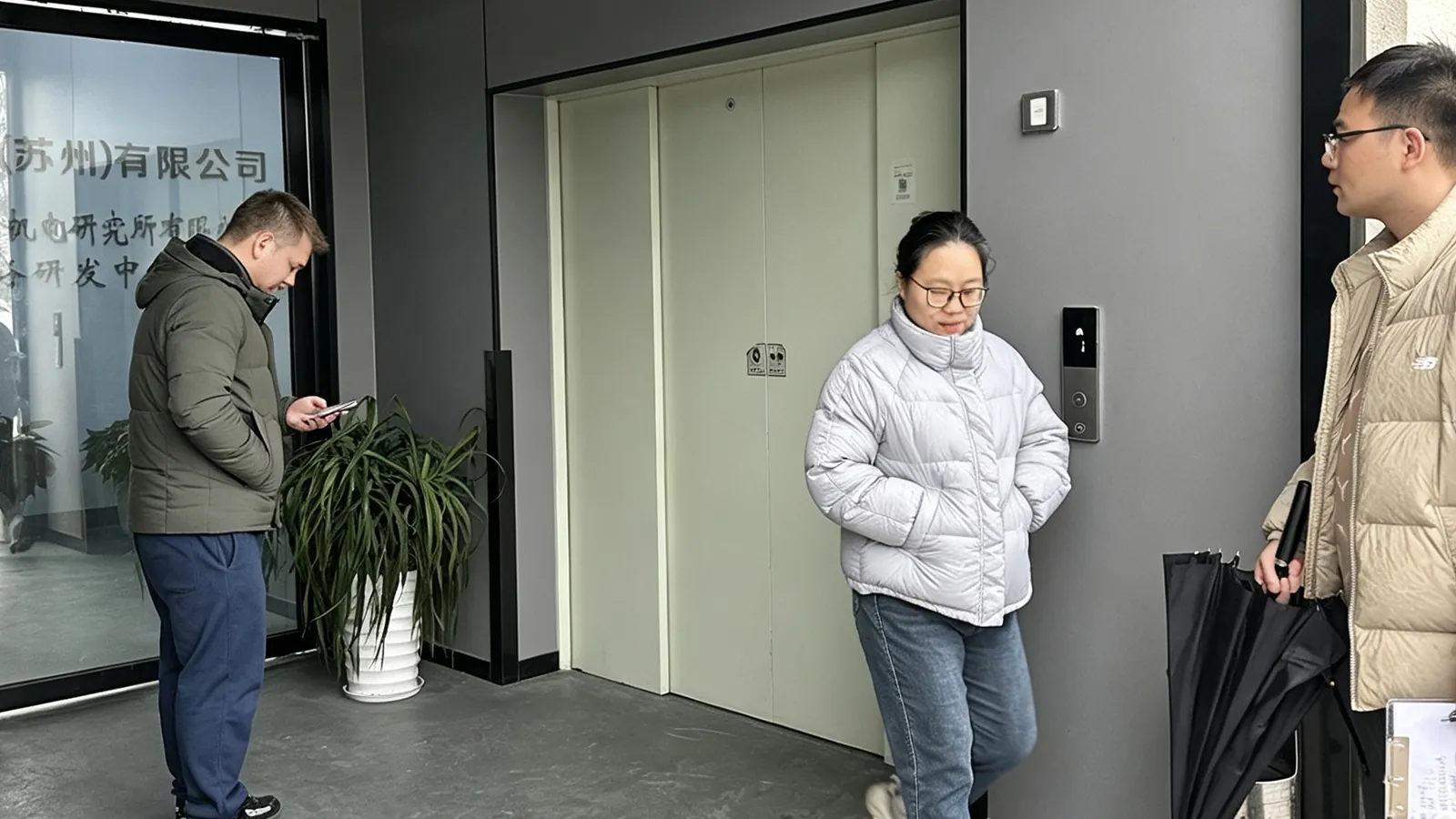
Common Mistakes Buyers Make
- Skipping the audit to save money, then discovering the “factory” was a trading office.
- Treating a pre-shipment inspection as optional on first orders.
- Trusting photos and videos instead of independent, on-the-ground verification.
- Not keeping the approved sample as the inspection benchmark.
- Choosing the cheapest inspector without checking their reporting quality — the same shortcut that makes a factory audit worthless.
- Inspecting too late — after payment, when leverage is gone.
Factory audit and inspection: the questions buyers ask
What is the difference between a factory audit and a product inspection?
A factory audit evaluates the plant itself — whether it exists at the stated address, what its real capacity is, how its quality system works, what equipment it runs and who else it produces for. A product inspection evaluates a specific order against your approved sample and specification. One judges the supplier; the other judges the shipment.
Do I need both?
Usually yes, and in this order. Book a factory audit before you transfer a deposit to an unknown supplier, then a pre-shipment inspection on every order — or at least on every first order. For large or high-volume orders, add a mid-production inspection at 20–60% completion, where problems are still cheap to fix.
How long does each take, and which costs more?
A factory audit runs from half a day to a full day on site, because it covers capacity, systems, records and the shop floor. An inspection takes a few hours, depending on order size, because it is focused on the goods. The audit therefore costs more per visit, but it is done once per supplier rather than once per order — which is why the cost per order is usually lower.
What standard is used for sampling?
Sampling plans follow ISO 2859-1, commonly called AQL. The inspector draws a statistically meaningful sample, counts critical, major and minor defects, and compares the result against the limits agreed in your contract — which makes the outcome objective rather than a matter of opinion.
What happens if a factory audit fails?
You walk away before the deposit, which is the whole point: a failed factory audit is the cheapest mistake you can make in China sourcing. Common findings are a trading office posing as a factory, capacity far below the salesperson’s claim, or a quality system that exists only on paper. If the gap is smaller, the audit gives you the specifics to renegotiate.
How SourceEyes Handles Audits and Inspections for You
SourceEyes is a real team in Suzhou, in the heart of the Yangtze River Delta manufacturing belt. A factory audit and a product inspection are the two checks SourceEyes runs most often. SourceEyes does both sides of quality protection: it audits factories before you commit, and inspects your goods against your approved sample before they ship — with photos, measurements, and an honest report either way.
Because SourceEyes is local, it can visit the factory the same week you ask. Because SourceEyes is small, you deal with the same person every time — not a call center. A first collaboration with SourceEyes starts from $20, and all consultations are free. Tell us what you are sourcing and SourceEyes will tell you what checks you actually need. And if you cannot get to China in person, both checks can still be run for you — the full set of remote safeguards is in importing from China without visiting a factory.
A factory audit and a pre-shipment inspection answer 2 different questions, and SourceEyes runs both: whether to place the order at all, and whether to accept the finished batch. The outcome is reported as a pass or a fail rather than a narrative.