Your goods are finally ready at the factory. The balance is paid, the cartons are stacked, and the container is booked. Everything looks fine in the supplier’s photos — but how do you know the shipment is right before it sails? That is the question a pre-shipment inspection exists to answer.
A pre-shipment inspection (PSI) is the most important quality check in the entire import process, and this guide gives you the complete checklist inspectors use — plus how to act on the results.
What Is a Pre-Shipment Inspection?
A pre-shipment inspection is an independent check of your finished goods, done at the factory when 80–100% of the order is complete and before the goods are loaded. An inspector visits the production site, draws a statistically meaningful sample, and checks it against your approved sample and specification sheet.
Unlike a factory audit — which evaluates whether a supplier is worth working with — a PSI evaluates a specific order. It answers one question: “Should we accept this shipment?”
SourceEyes treats an inspection as 1 observation of a defined sample, not as a guarantee of quality. The AQL result is reported as it stands, including a fail that means the shipment has to be reworked or re-inspected.
Why PSI Matters More Than You Think
Quality problems found at the factory cost pennies to fix. The same problems found after shipment cost you rework, freight, customs delays, and unhappy customers. A rule of thumb from experienced importers: every $1 spent on inspection before shipping saves $10–15 in problem costs after shipment.
For your first order from a supplier — and for every large or repeat order — a pre-shipment inspection is not an optional extra. It is the last line of defense before your money clears and your goods leave China. For buyers who are not travelling to China, it is also the closest thing to standing at the factory yourself — the wider set of safeguards is in importing from China without visiting.
One more thing decides whether the report means anything: a pre-shipment inspection is only worth reading when the person running it has nothing to gain from your order — which is the whole point of an independent third party sourcing agent.
Independence is the part buyers underrate. Whoever runs the checklist above has to have nothing riding on the order passing, which is a different thing from being paid per inspection. Whether to appoint that person at all comes down to a comparison most buyers never run.
The 10-Point Pre-Shipment Inspection Checklist
Here is what a professional inspector checks, in order of priority:
- Quantity — total finished quantity matches the order, and carton counts add up.
- Workmanship and appearance — scratches, dents, stains, uneven finishes, loose parts.
- Dimensions and tolerances — key measurements against your spec, not just “looks right”.
- Materials and components — the right raw material, right thickness, right grade.
- Function and performance — electrical tests, moving parts, assembly fit, operation. For elevator parts, witness testing matters as much as the paperwork — door operator cycles, brake torque and a 125% load test. See the SourceEyes elevator parts from China guide.
- Labels, markings, and barcodes — correct brand, model, certifications, and scanable codes.
- Inner packaging — protective packaging, foam, and inserts match the approved sample.
- Cartons and shipping marks — correct carton size, strength, and destination marks.
- Accessories and manuals — all parts, cables, tools, and documents included.
- Sampling plan compliance — defects counted against the agreed AQL level (see below).
How AQL Sampling Works
Inspectors do not check every piece — they sample. The industry standard is AQL (Acceptable Quality Limit), based on ISO 2859-1. In plain terms:
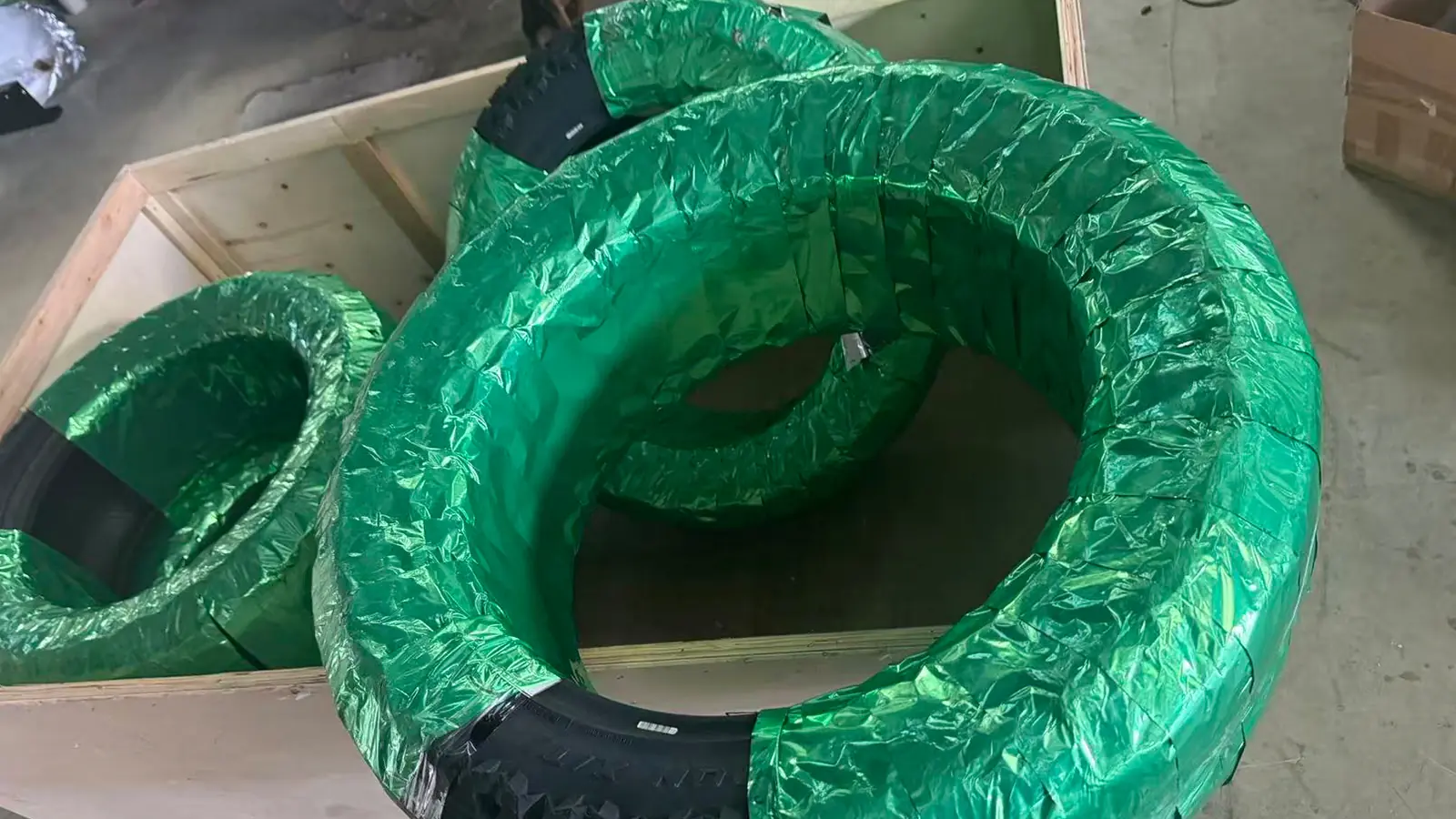
- For a 5,000-piece order, the inspector checks a few hundred pieces chosen randomly across cartons.
- Defects are classified as critical, major, or minor.
- The agreed AQL level (e.g., 2.5 for major defects) sets how many defects are acceptable. More than that, and the shipment fails.
Your contract with the supplier should state the AQL level in writing before production starts — then the inspection result is objective, not a matter of opinion.
When to Schedule Your Inspection
- Mid-production inspection — at 20–60% completion, to catch systematic problems early (recommended for large or complex orders).
- Pre-shipment inspection — at 80–100% completion, the main gate before shipment.
- Container loading supervision — during loading, to confirm the right goods in the right quantity go into the container, with correct packing.
Plan the PSI date when you place the order — at least 3–5 business days before your ship date — so there is time to fix problems if the inspection fails. Timing is the quiet variable: a pre-shipment inspection booked after the container is sealed cannot change anything, however thorough the report turns out to be.
What Happens After the Inspection?
- Pass — goods match the approved sample within AQL limits; shipment proceeds.
- Conditional pass — minor issues found; the supplier fixes them (often verified with photos or a re-check) and shipment proceeds.
- Fail — defects exceed the agreed AQL level. You can reject the shipment, request rework, or renegotiate before payment and loading. This is exactly what the inspection is for.
Common Mistakes Buyers Make
- Skipping PSI on the first order to save a few hundred dollars.
- Scheduling the inspection too late — after payment, when leverage is gone.
- Not keeping the approved sample as the inspection benchmark.
- Not agreeing the AQL level in the contract.
- Trusting supplier photos instead of an independent on-site check.
Most of these mistakes share one root cause: treating a pre-shipment inspection as a formality instead of a decision point. The report is only worth having if it reaches you while you still hold the balance — after that, it describes a problem rather than preventing one.
Pre-shipment inspection: the questions buyers actually ask
What exactly is a pre-shipment inspection?
An independent check of your finished goods, carried out at the factory when 80–100% of the order is complete and before the goods are loaded. The inspector draws a statistically meaningful sample and checks it against your approved sample and specification sheet — then answers one question: should this shipment be accepted?
When should I book it?
Set the date when you place the order, not when production finishes, and leave at least 3–5 business days before your ship date so there is room to fix problems. On large or complex orders, add a mid-production inspection at 20–60% completion to catch systematic faults early.
What is AQL, and which level should I use?
AQL stands for Acceptable Quality Limit and is defined by ISO 2859-1. Defects are classified as critical, major or minor, and the agreed level — commonly 2.5 for major defects and 4.0 for minor ones — sets how many are tolerable. Fix the level in the contract in writing before production starts, so the result is objective rather than a matter of opinion.
What happens if the inspection fails?
Defects exceed the agreed AQL, so you can reject the shipment, request rework, or renegotiate — all of it before the balance is paid and before the container is sealed. A fail is not a setback; it is the inspection doing its job while you still hold the leverage.
Can I get a pre-shipment inspection without visiting China?
Yes — that is what the process is for. The condition is independence: the inspector must have nothing to gain from your order. When the person checking the goods also earns from the sale, the report stops being a verdict and becomes a sales document.
How SourceEyes Handles Pre-Shipment Inspections
SourceEyes is a real team in Suzhou, in the Yangtze River Delta manufacturing belt. SourceEyes runs pre-shipment inspections the way it would want them done for its own orders: on site, against your approved sample, with photos of everything, and an honest pass/fail verdict — even when it means telling you the shipment is not ready.
SourceEyes also coordinates mid-production checks, container loading supervision, and factory audits. See what SourceEyes does or check pricing — the first collaboration starts from $20, and all consultations are free. If your goods are regulated in your market (food contact, electronics, toys), check applicable rules such as the U.S. FDA import requirements or the EU Safety Gate before you ship. Electronics add a layer of their own — a different certificate set for every market, and shipping rules for lithium batteries that can stop a container. The electronics sourcing from China guide from SourceEyes covers both.